-
DATA
2024/10
-
CLIENT
-
PROJECT NAME
frottage
PHOTO
Artworks and Exhibition venue : Masayuki Hayashi
VIDEO
Director/Editor : Junichiro Arai
Director of Photography : Hiroshi SatoLINK
Okurayama Studio / frottage No.1 / frottage No.2 / frottage No.3
Collaborate
1070190864Reunion with Memory
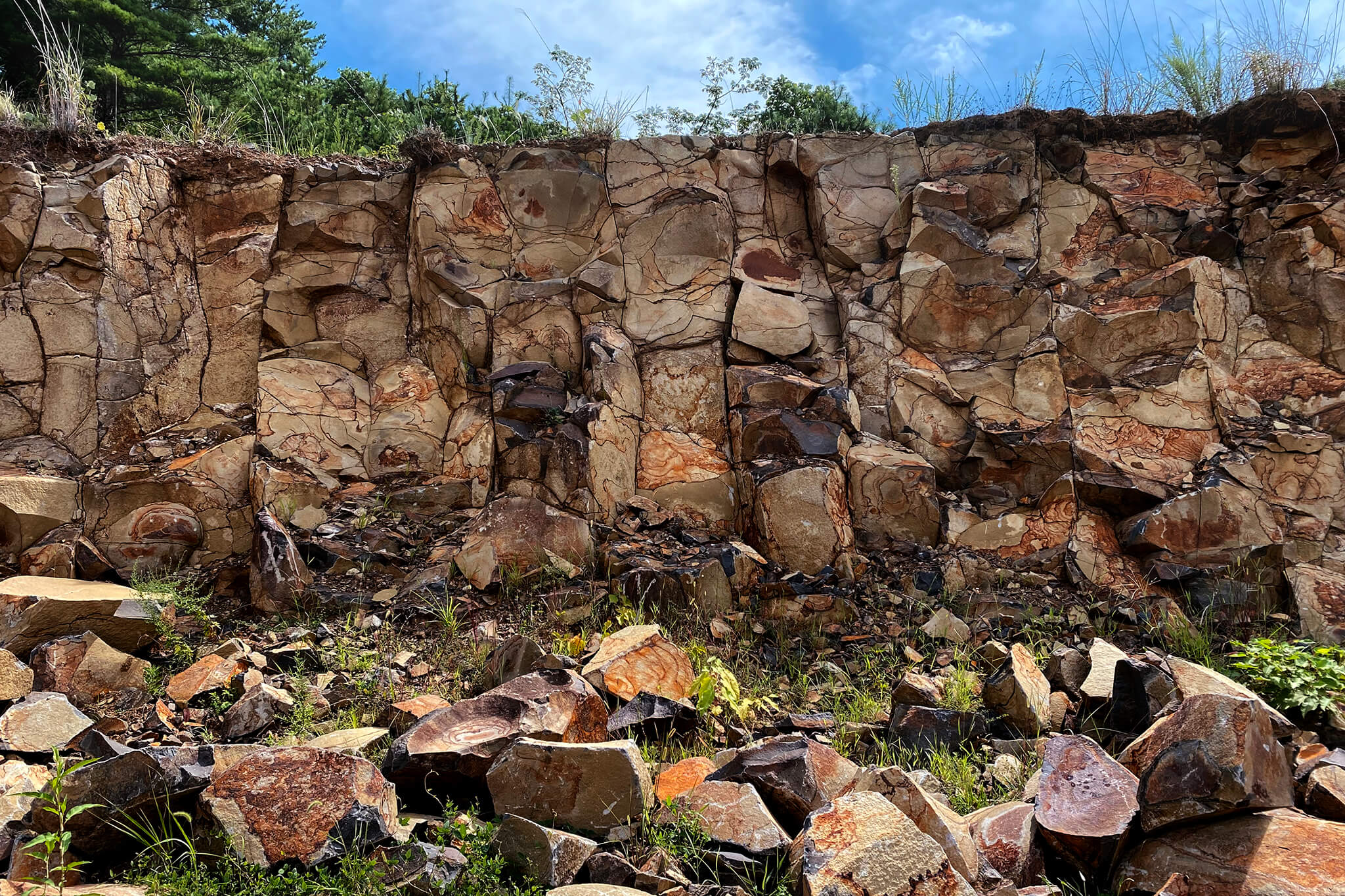
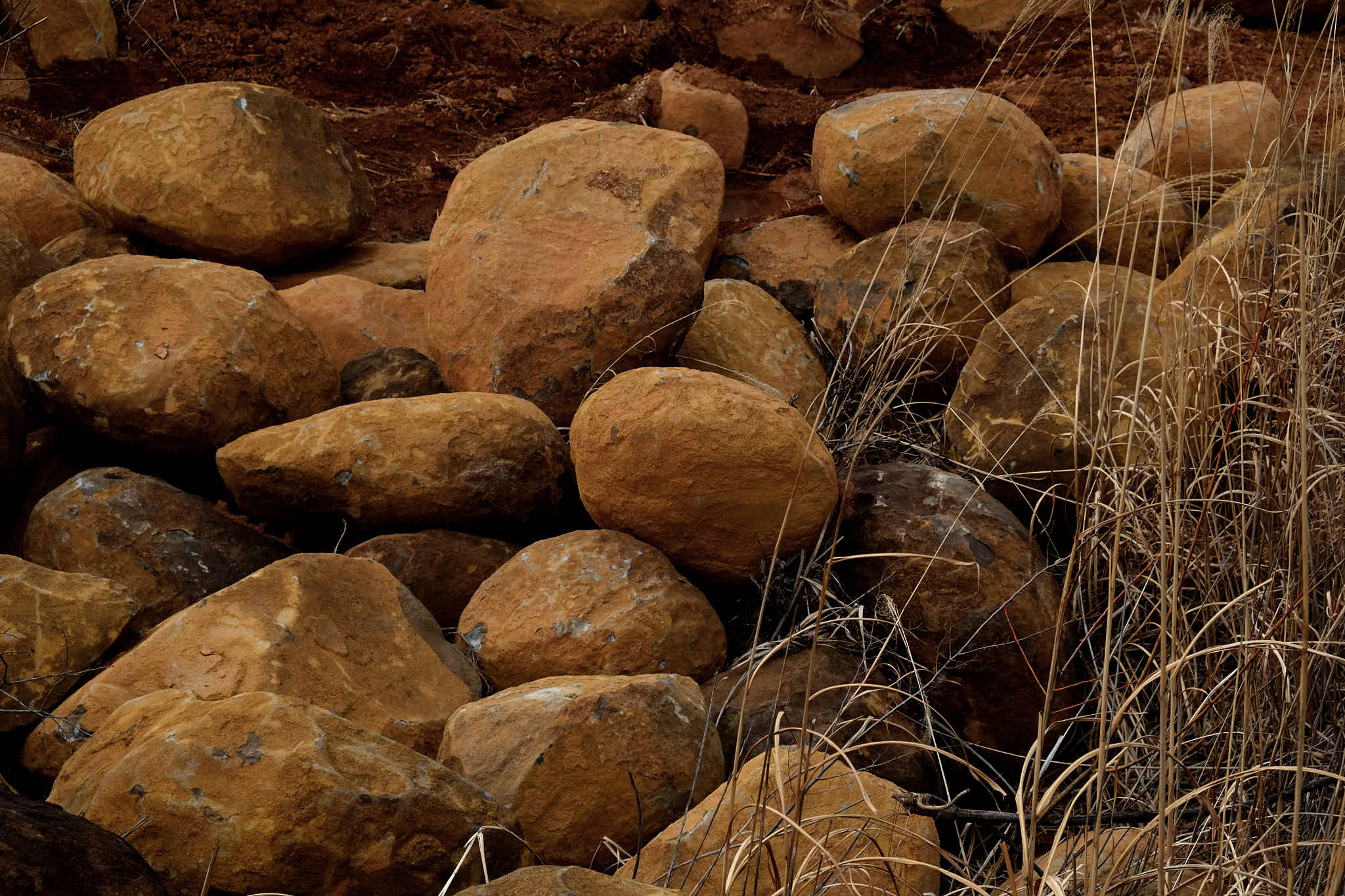
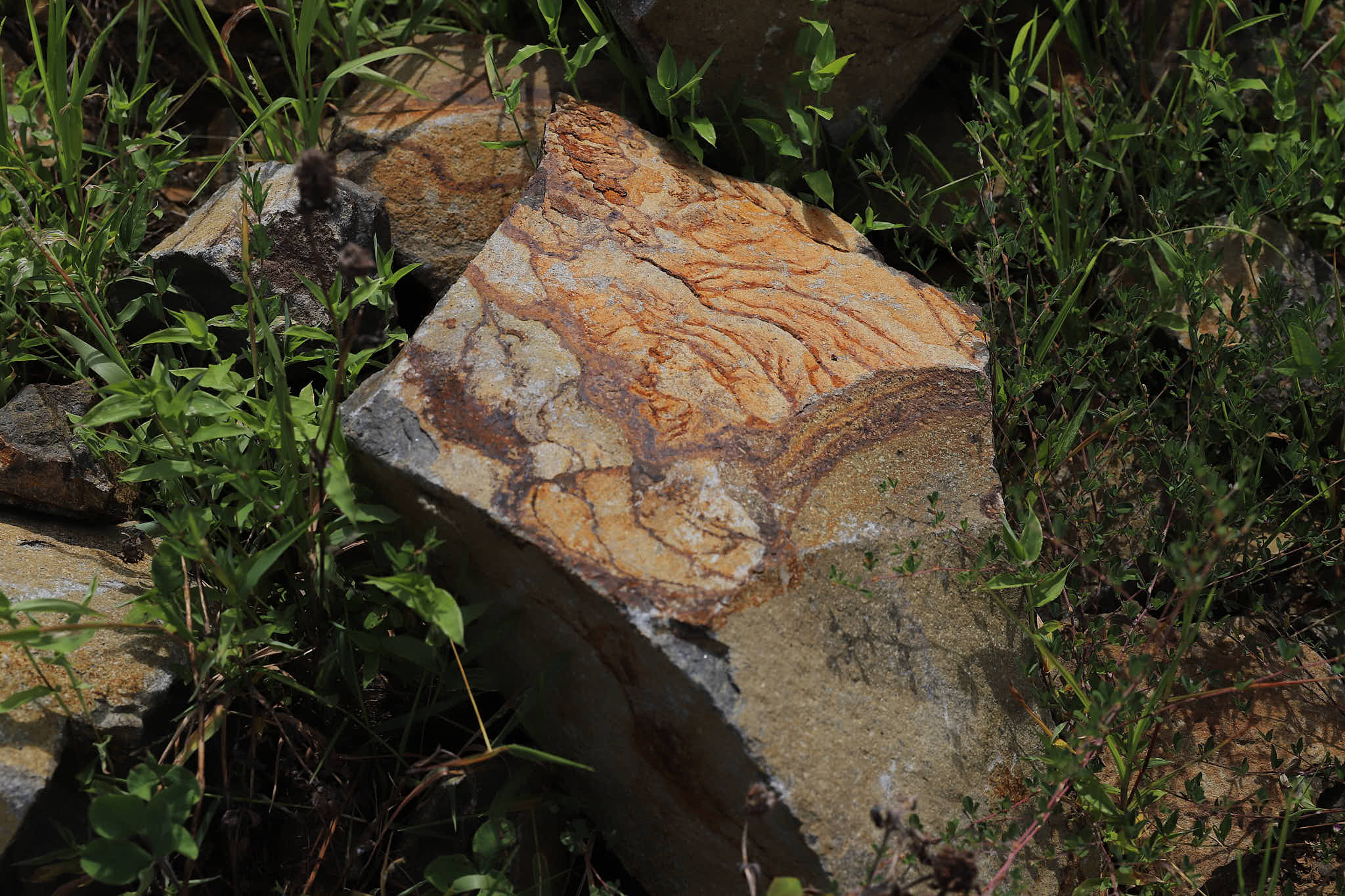
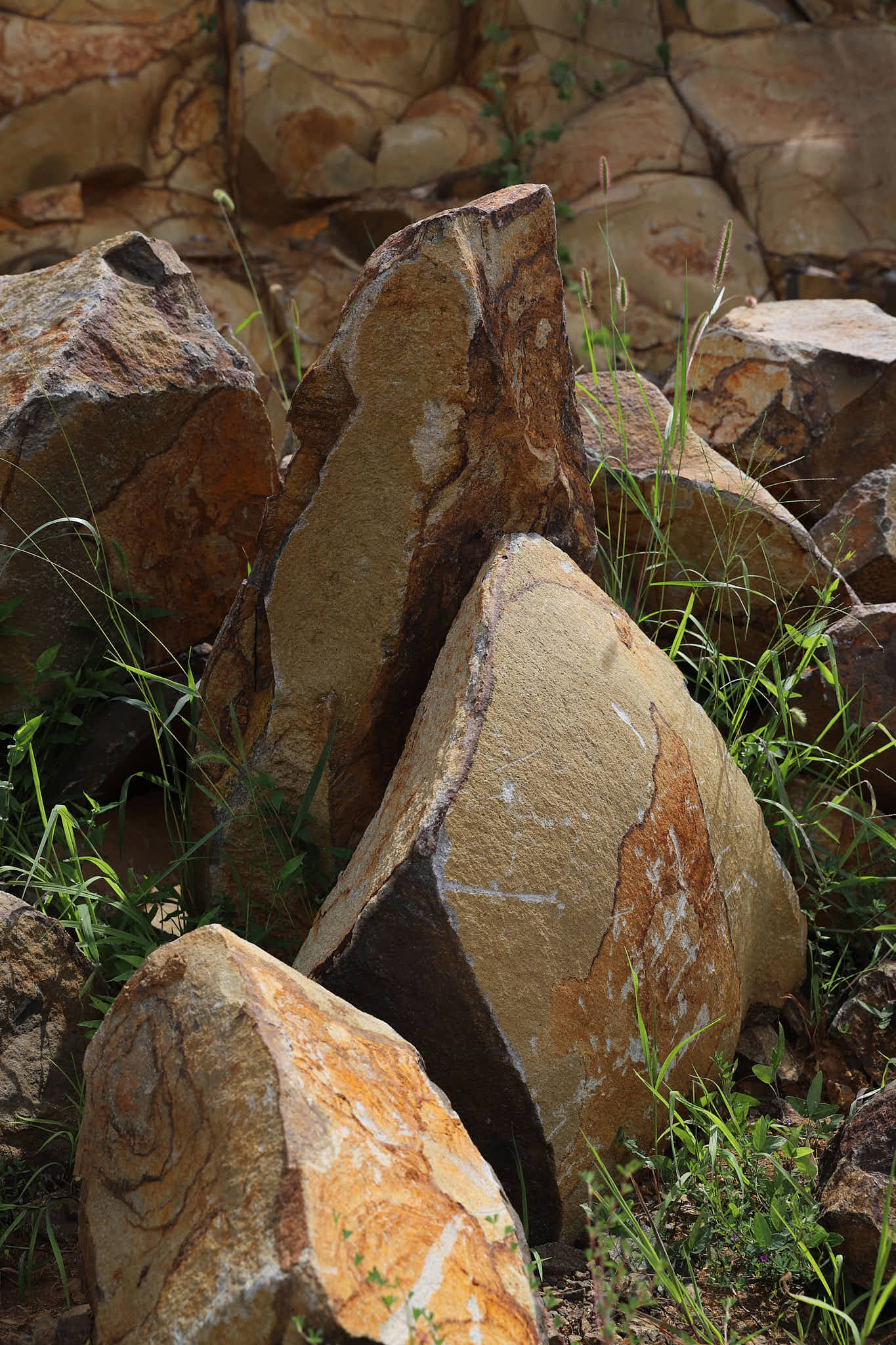
Daté Kan Stone is a rare rock formed 20 million years ago, known for its striking and unique appearance. Sculptors and artists have used it for its singular appearance, including sculptor Isamu Noguchi. At the request of Okurayama Studio (Miyagi, Japan), which quarries, processes, and shapes this stone, we designed a series of furniture pieces such as chairs and benches. The goal was to share the studio’s concept of “Giving Life Back to the Mountain” in terms of natural resources. It presents an approach to design that engages with materials connected to nature, rather than using standardized and commodified ones.
<Design Concept>
The Concept of “Giving Life Back to the Mountain”
Quarrying can drastically alter the natural environment.
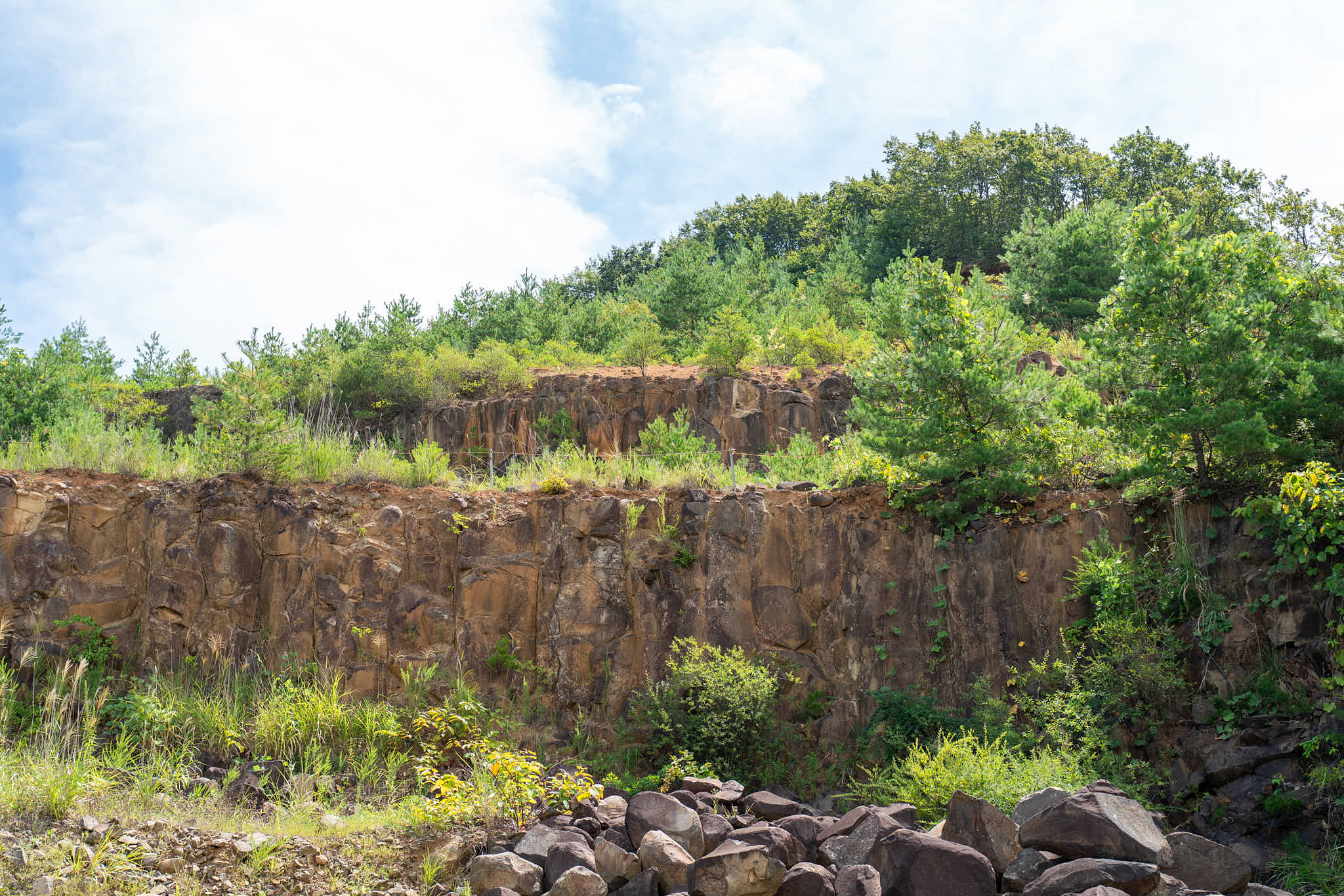
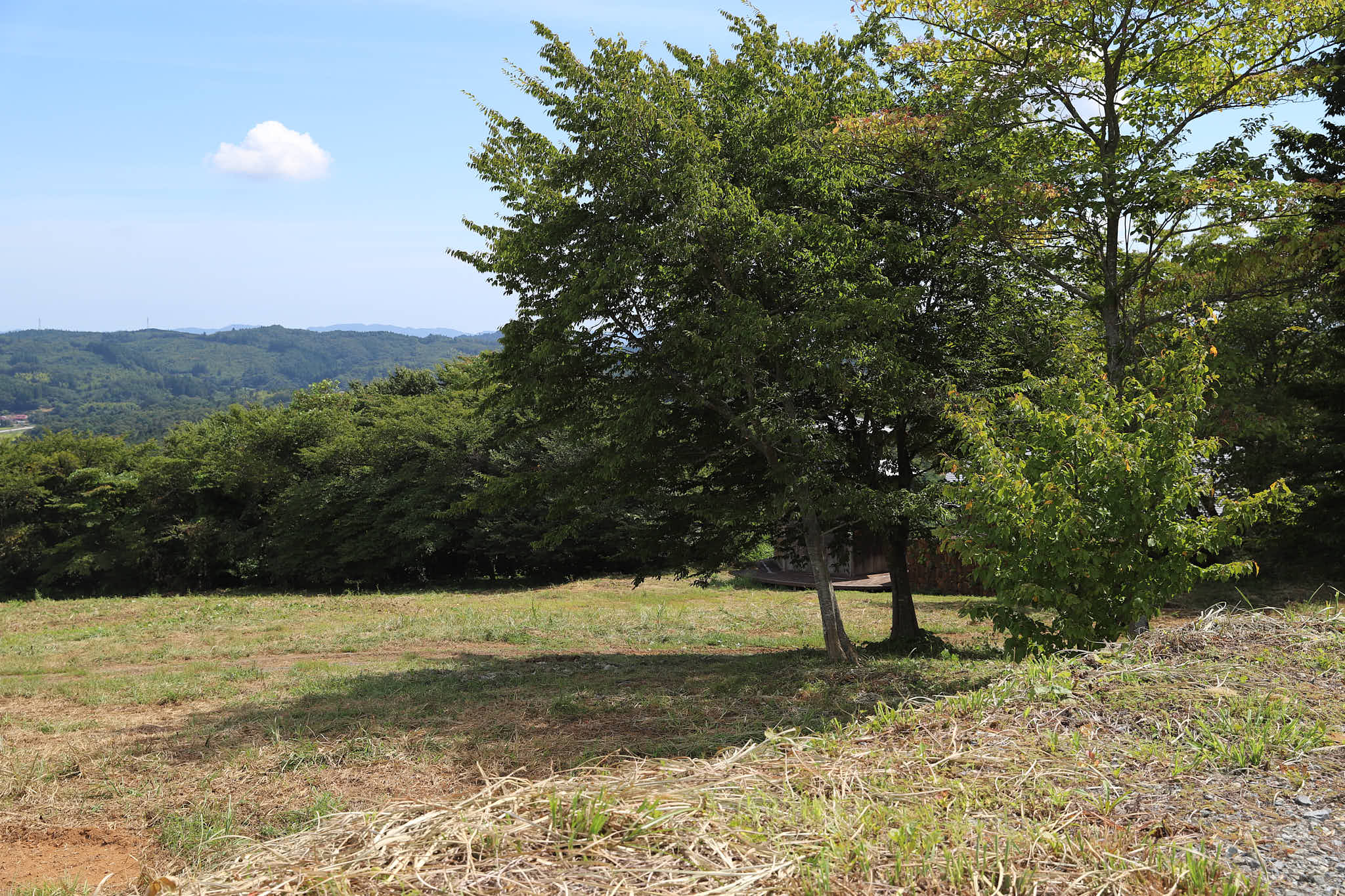
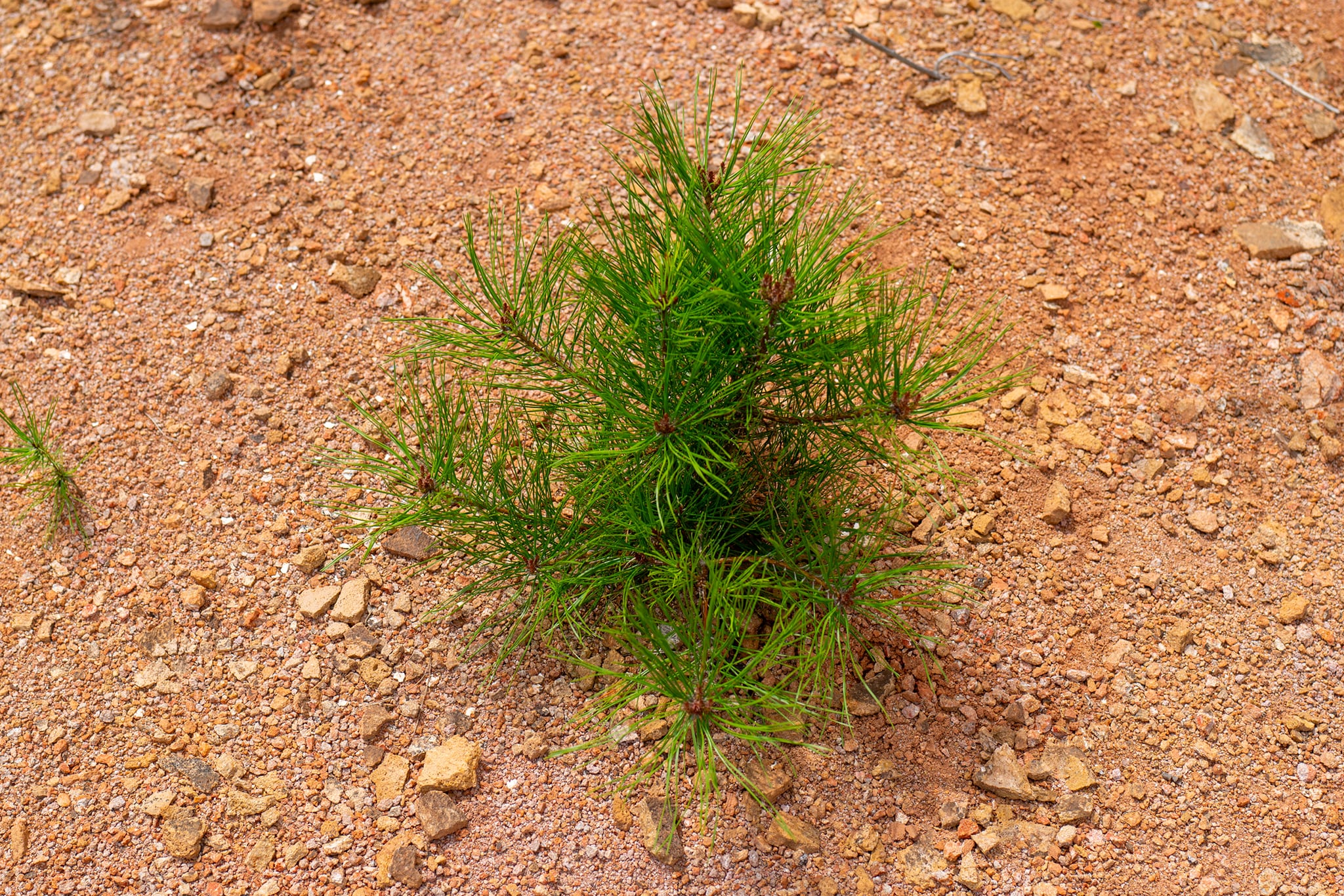
With the belief that stone is the very life of a mountain that we take, Okurayama Studio questions this situation and advocates the concept of “Giving Life Back to the Mountain.” In an effort to embody this concept, the studio has reforested the deserted mountain after quarrying to restore a lush landscape where people gather, and these activities became the foundation of the studio today.
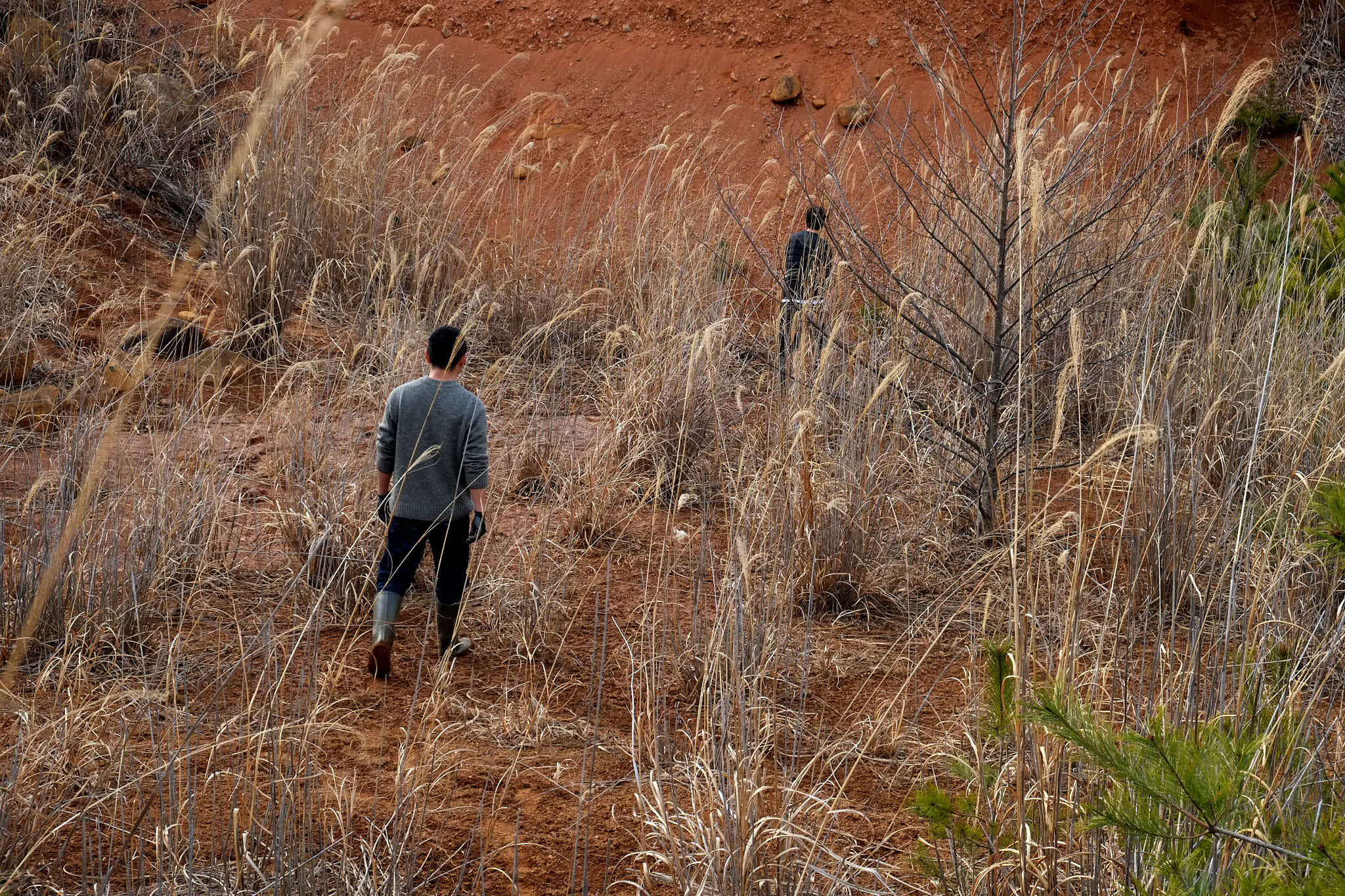
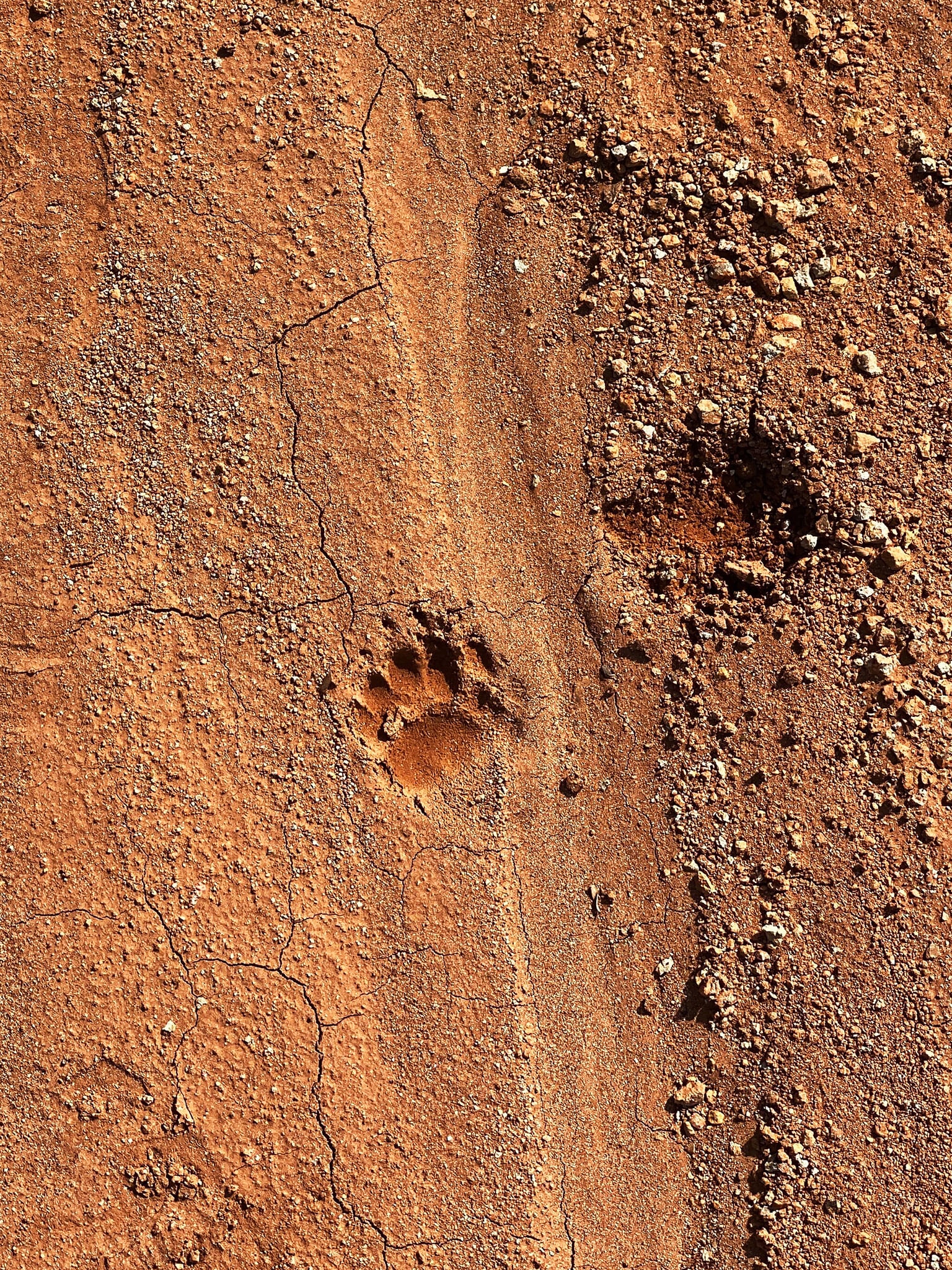
A visit to Mt. Okurayama makes us realize that the studio’s concept conveys the message that the mountain is full of life. Rocks break down into soil where plants grow and creatures live. When in the mountain, we become aware that there is no solitary life, but that all life is interconnected and interdependent. This led to a design that demonstrates the interconnectedness of life by reuniting the lives that were once connected in Mt. Okurayama, rather than a design that transforms a stone into an artificial form.
Design Arising from the Material’s Memory
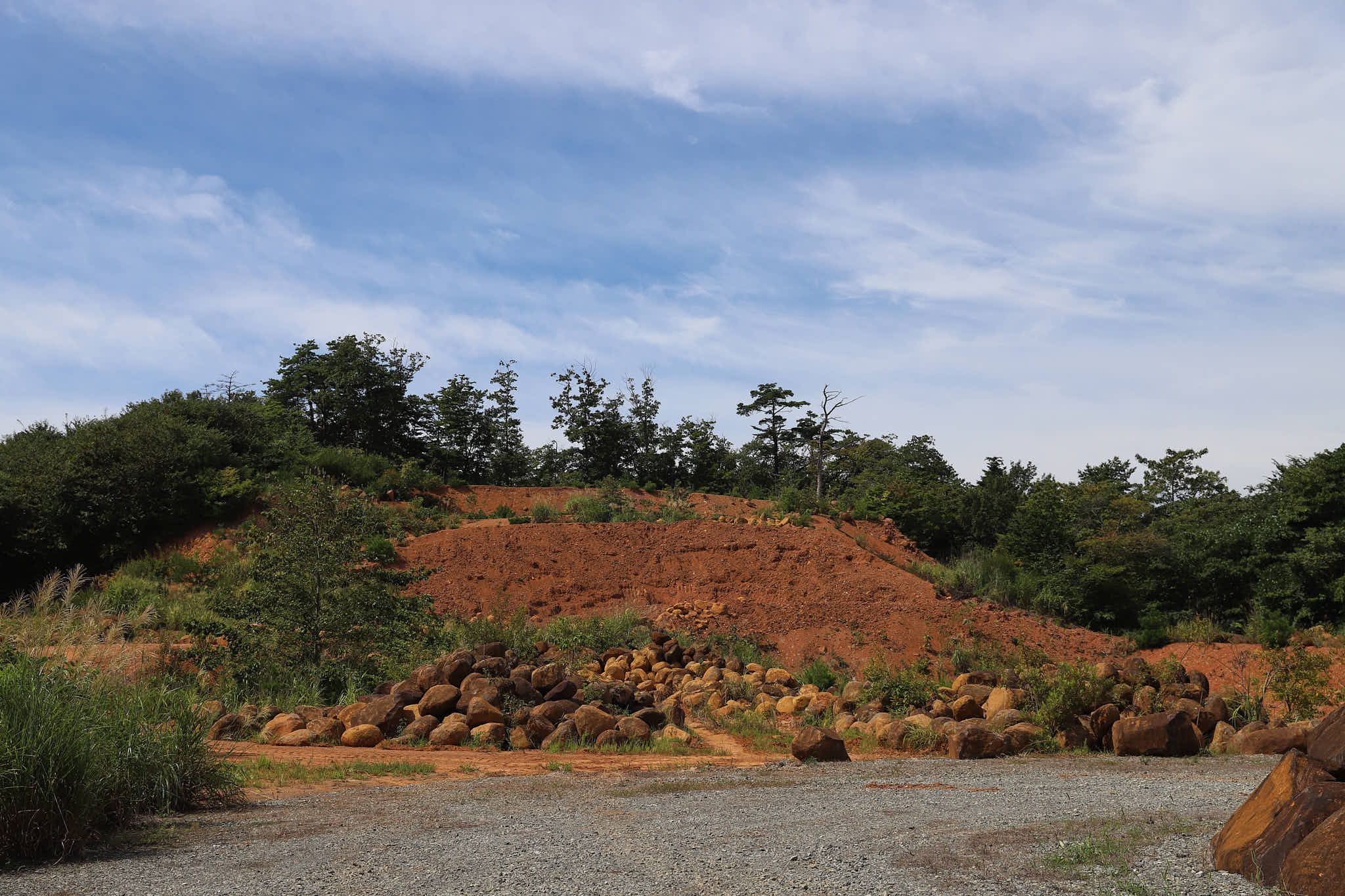
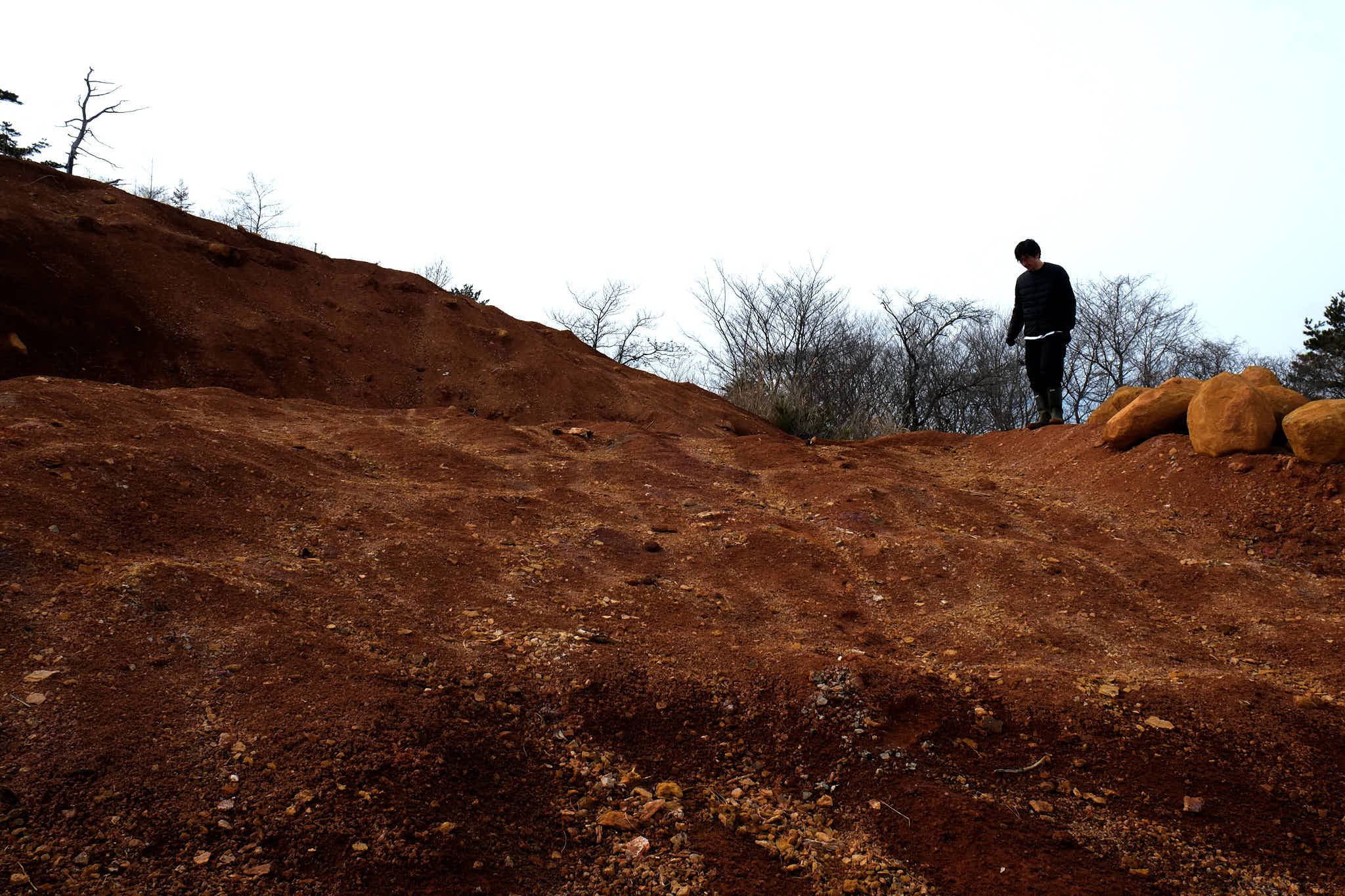
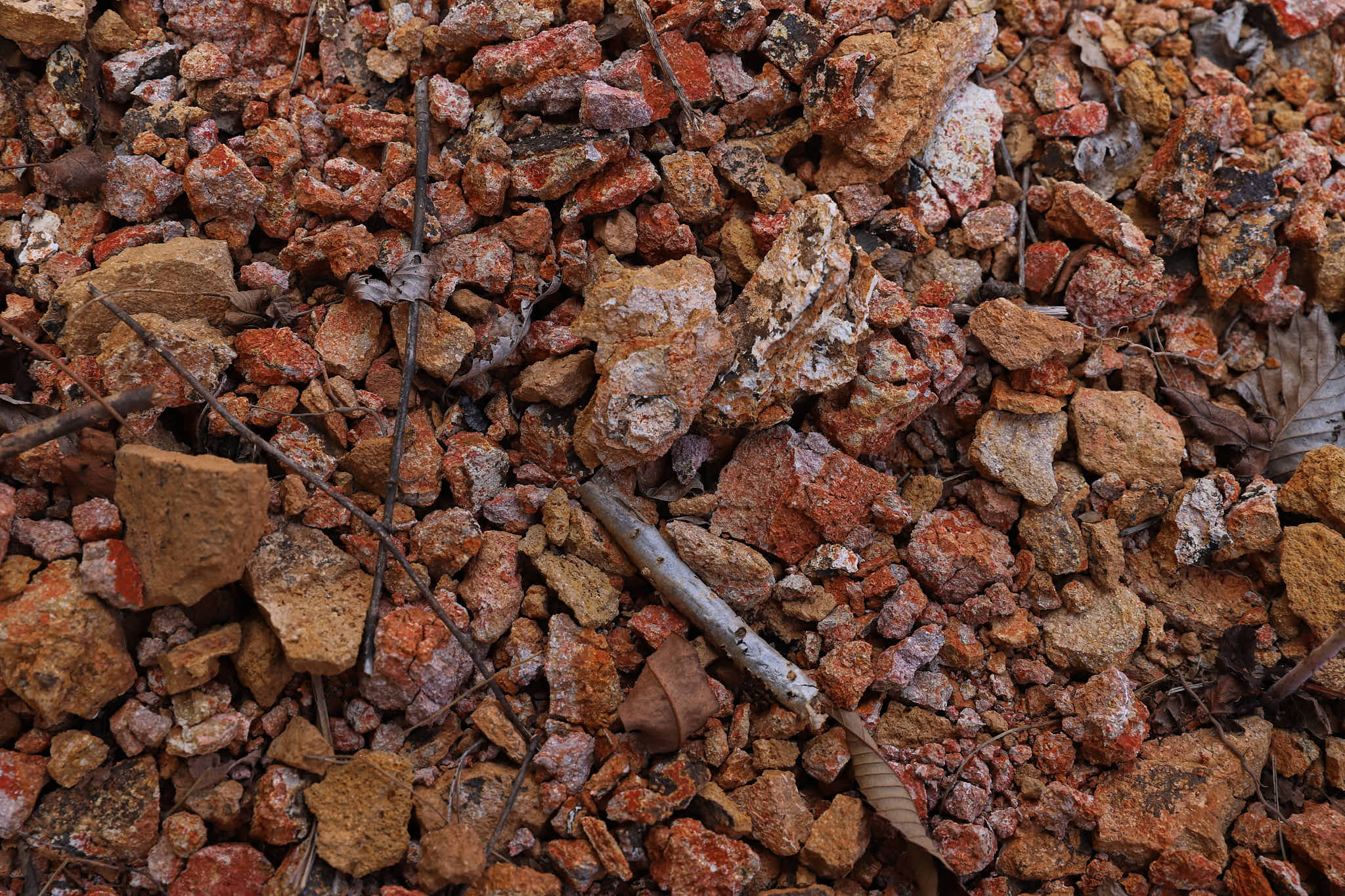
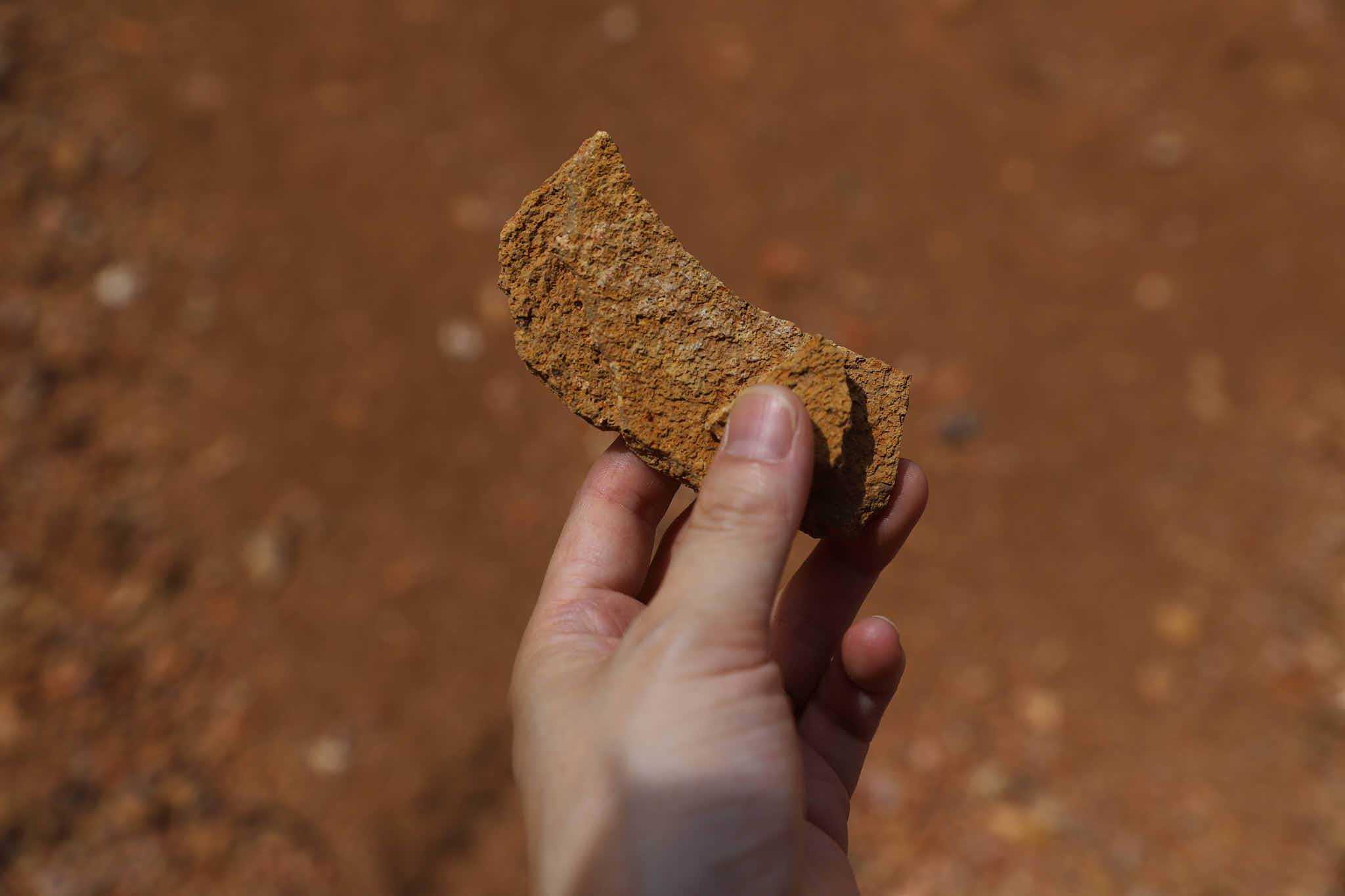
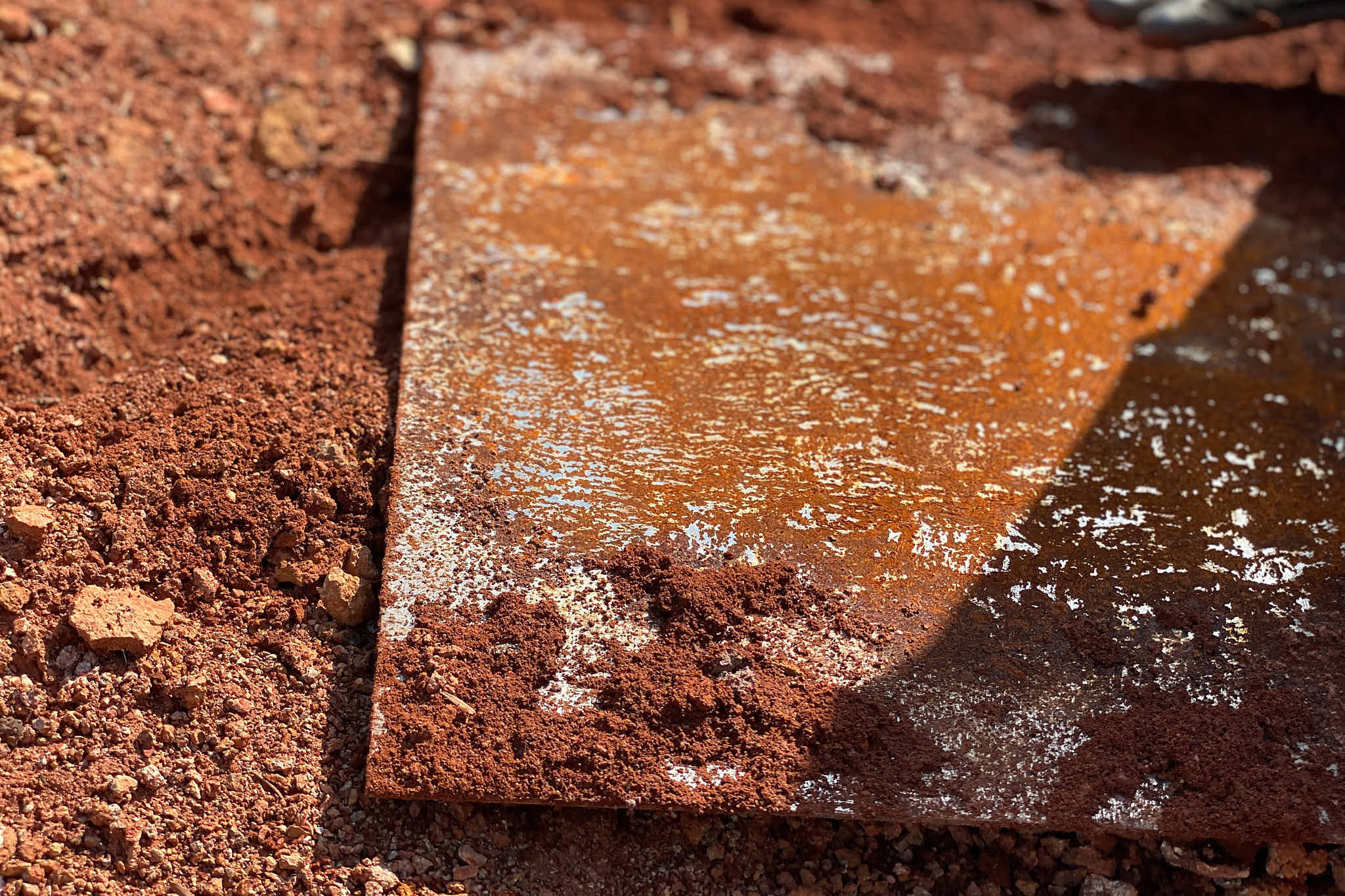
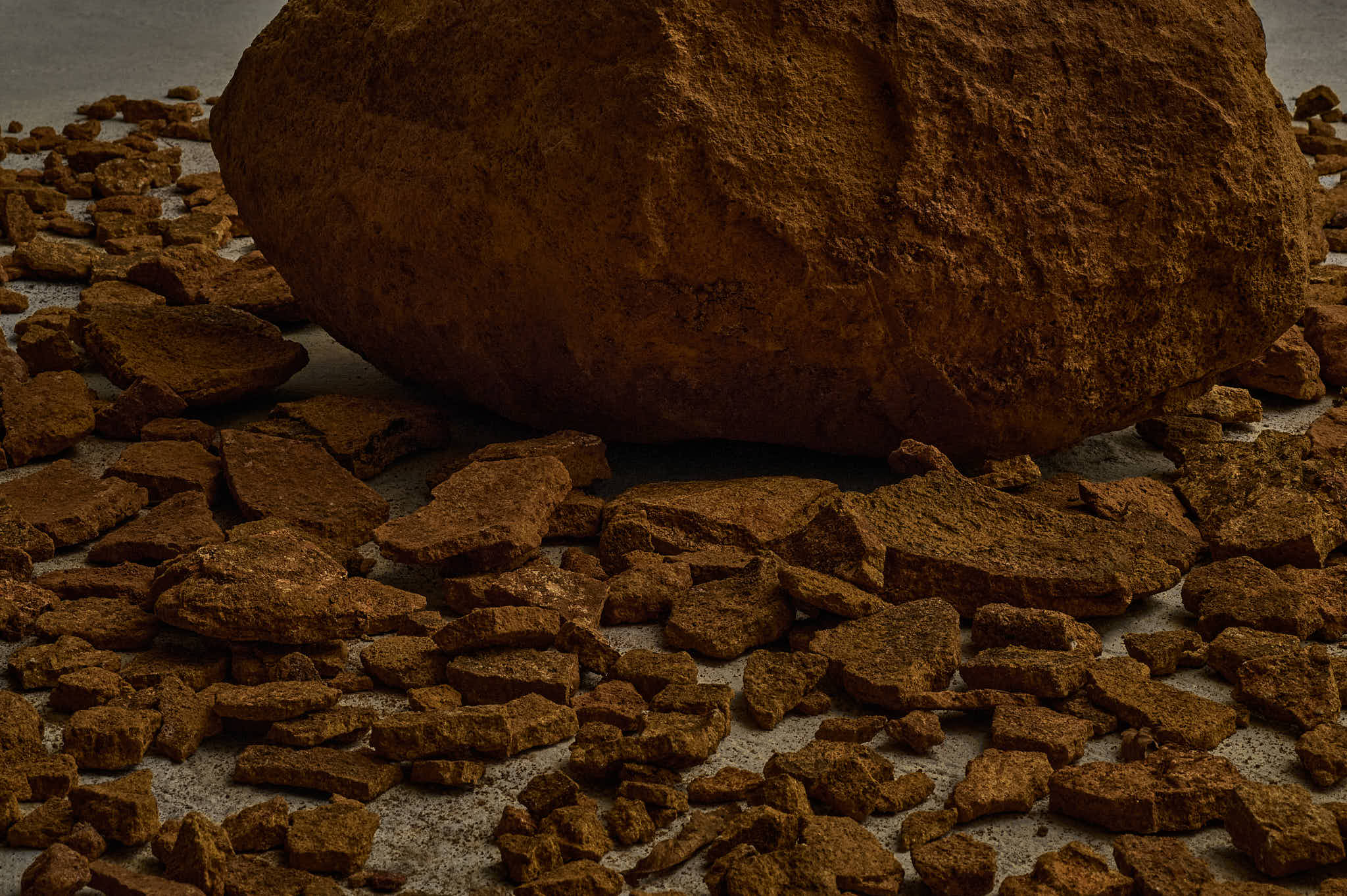
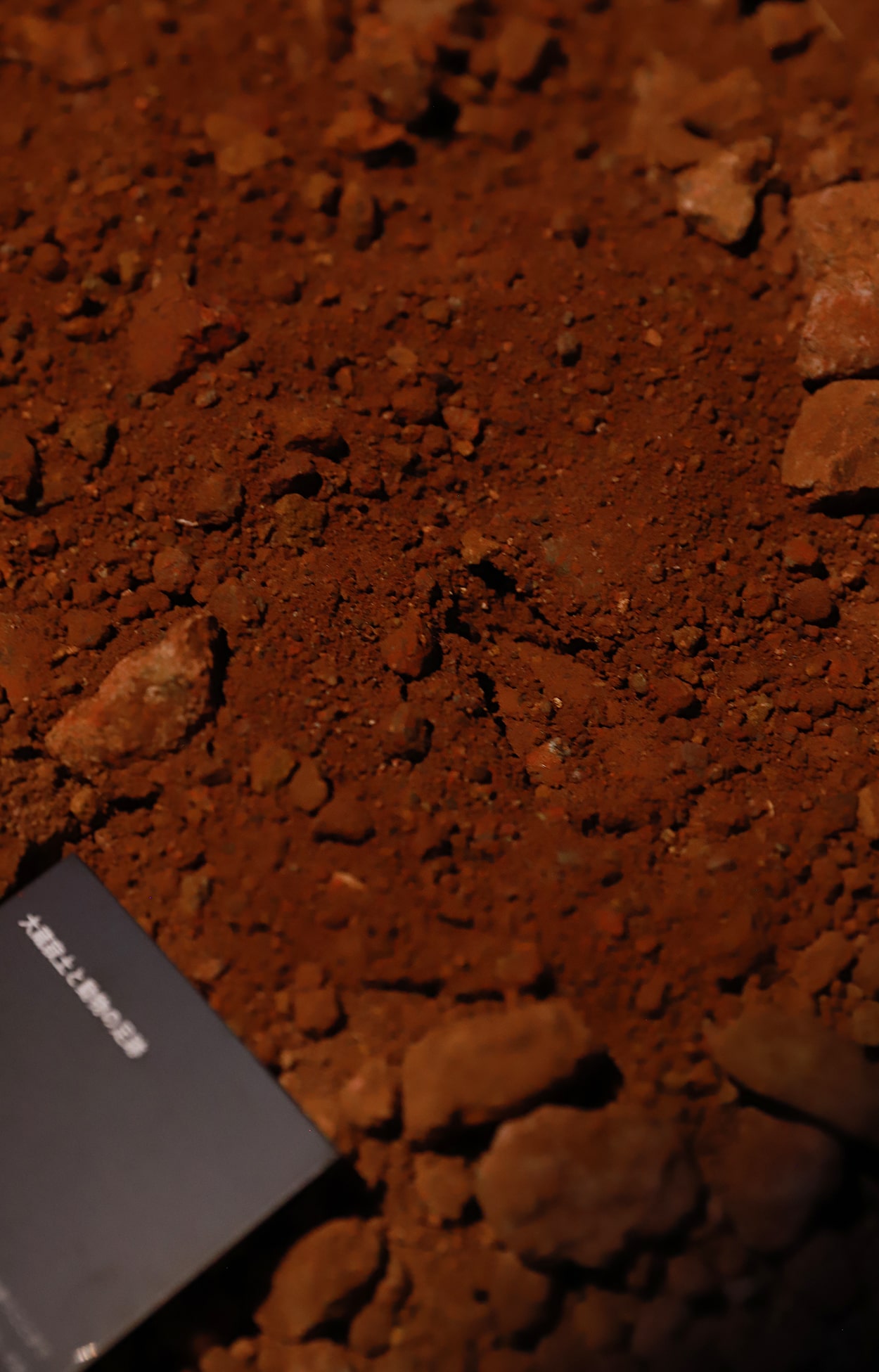
We focused on Okura Sabi, red soil found on the surface of Mt. Okurayama.
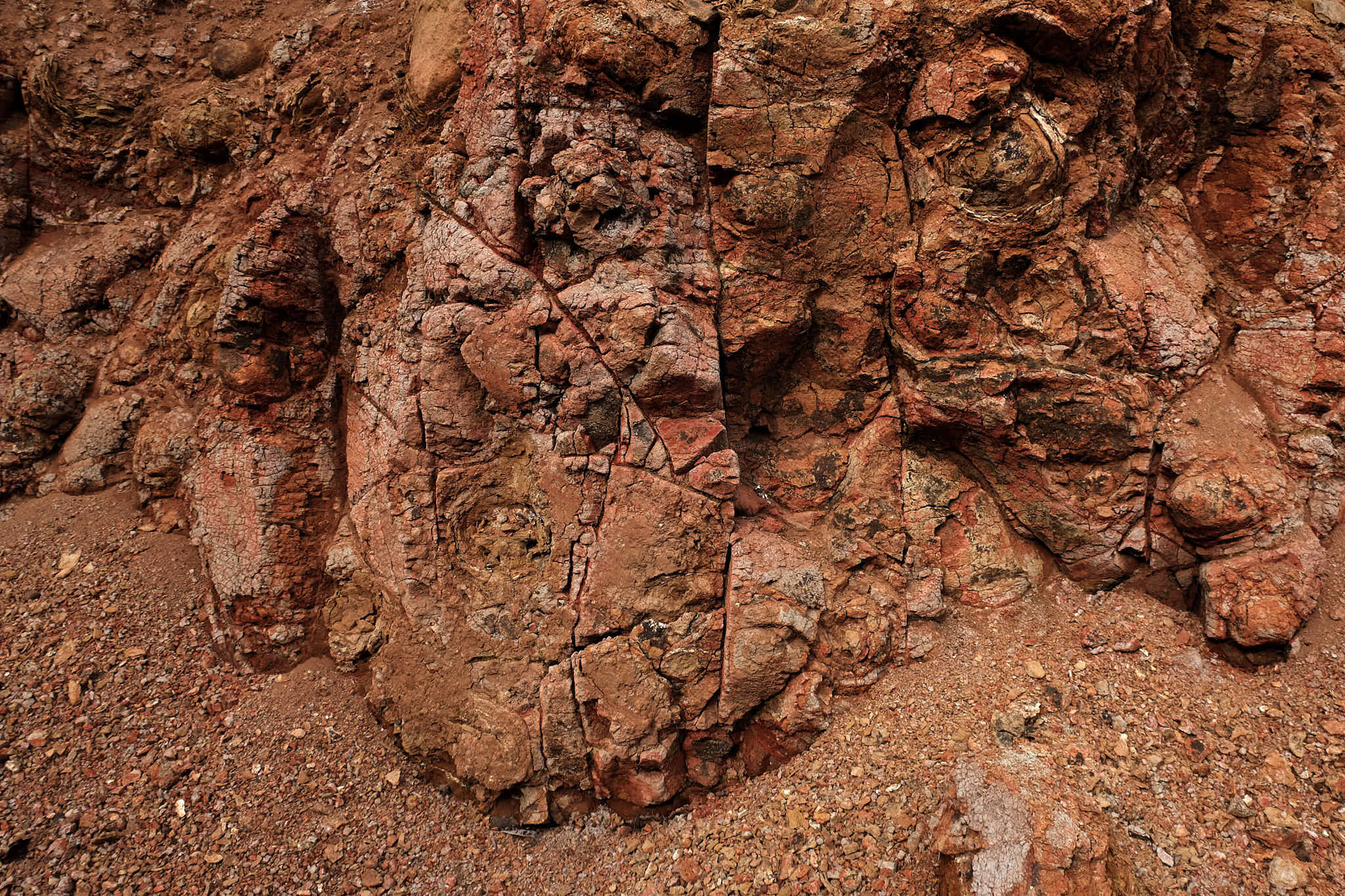
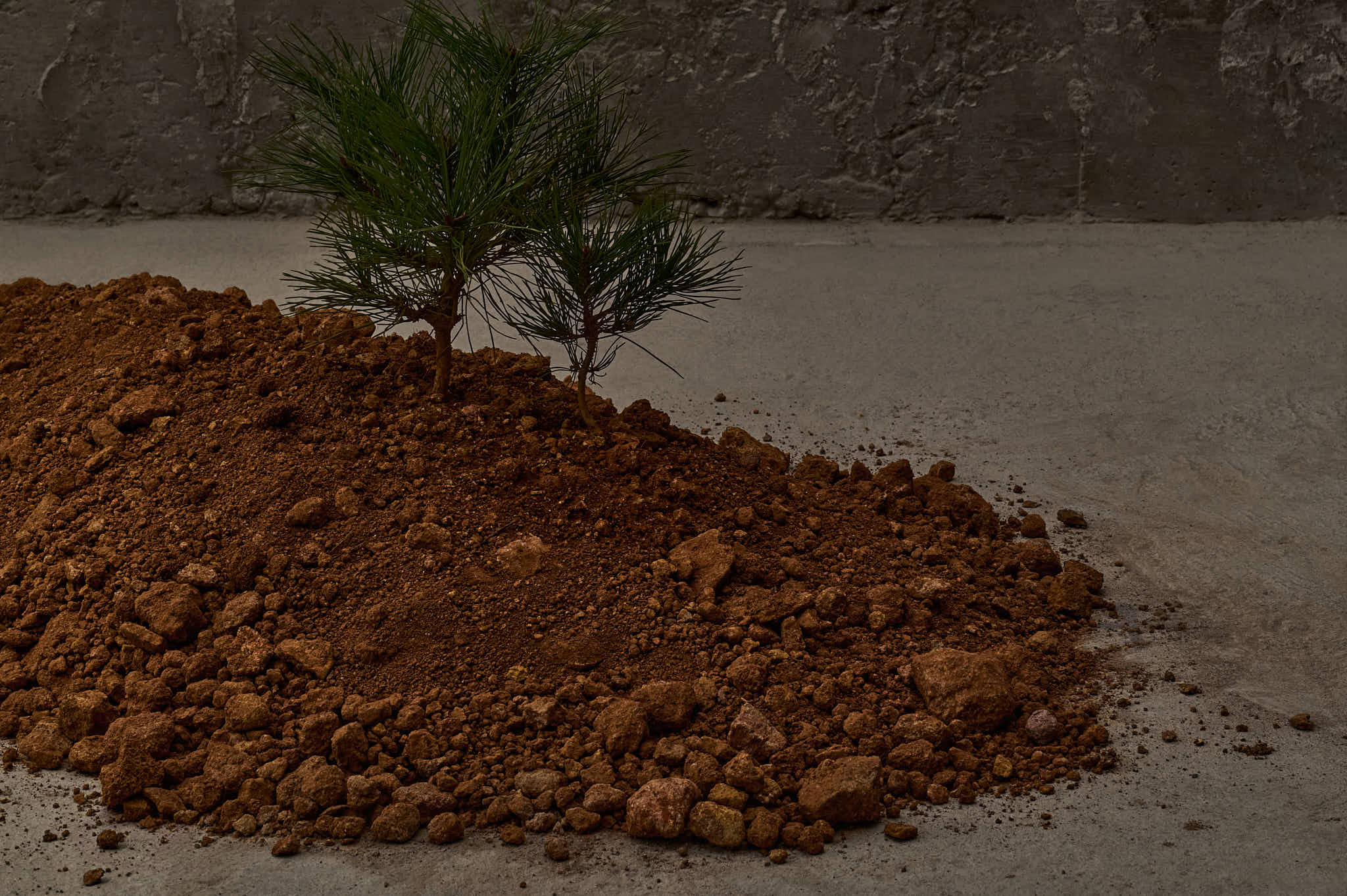
Formed by the weathering of the iron-rich Daté Kan Stone, its appearance is the result of the transformation of rock into soil, and a testimony to the cycle of life in the mountain, embracing the memory of the land.
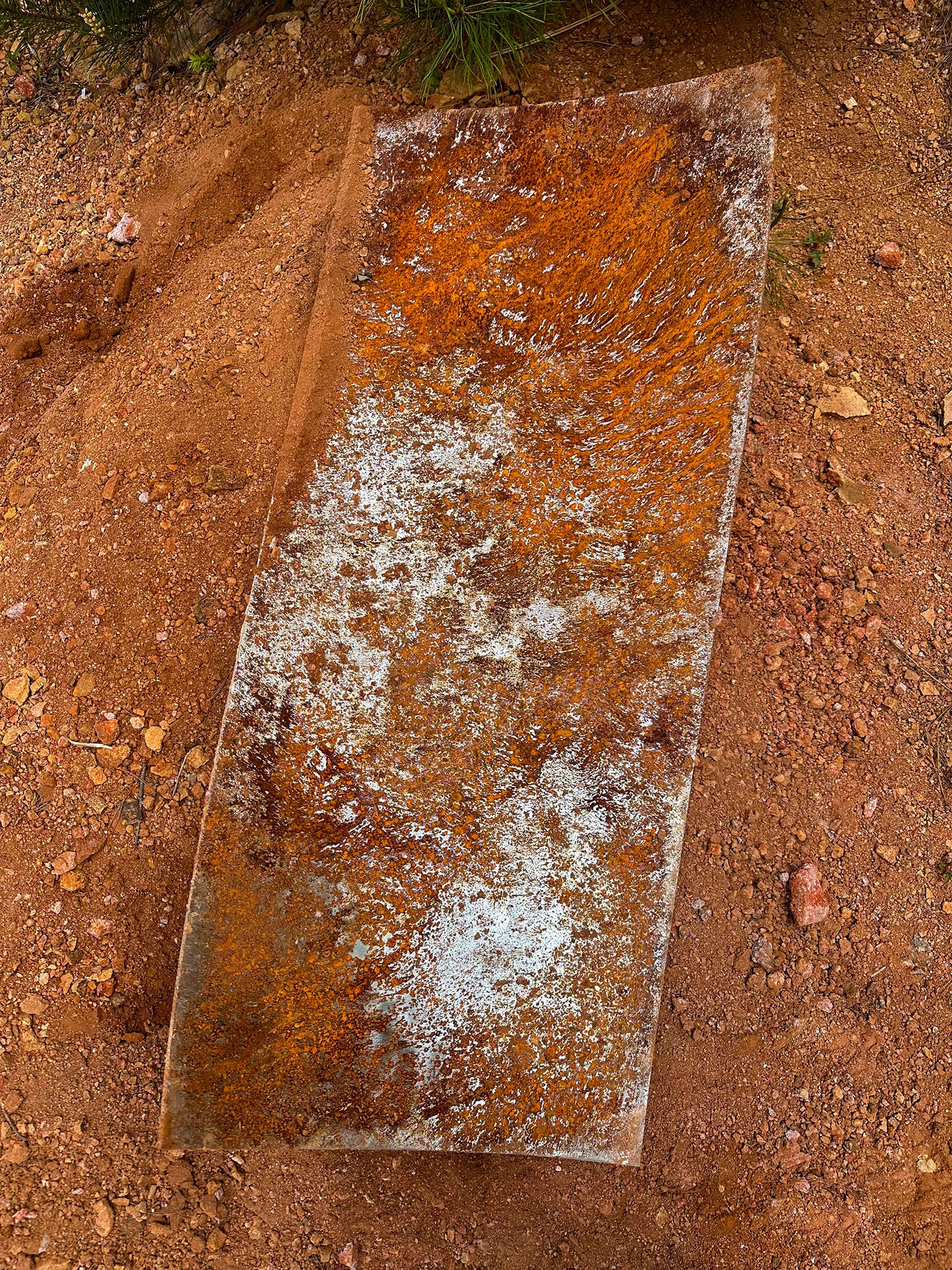
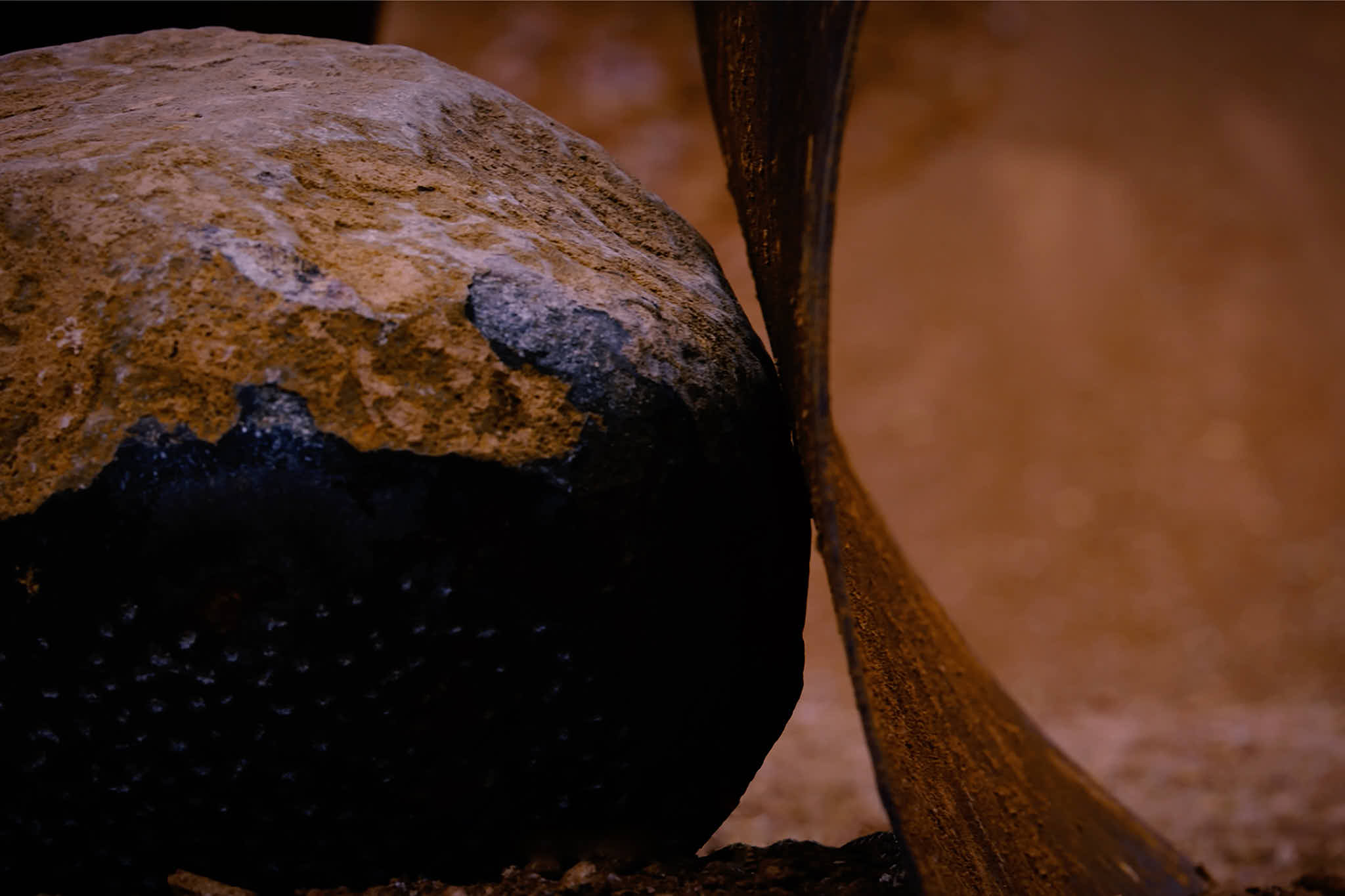
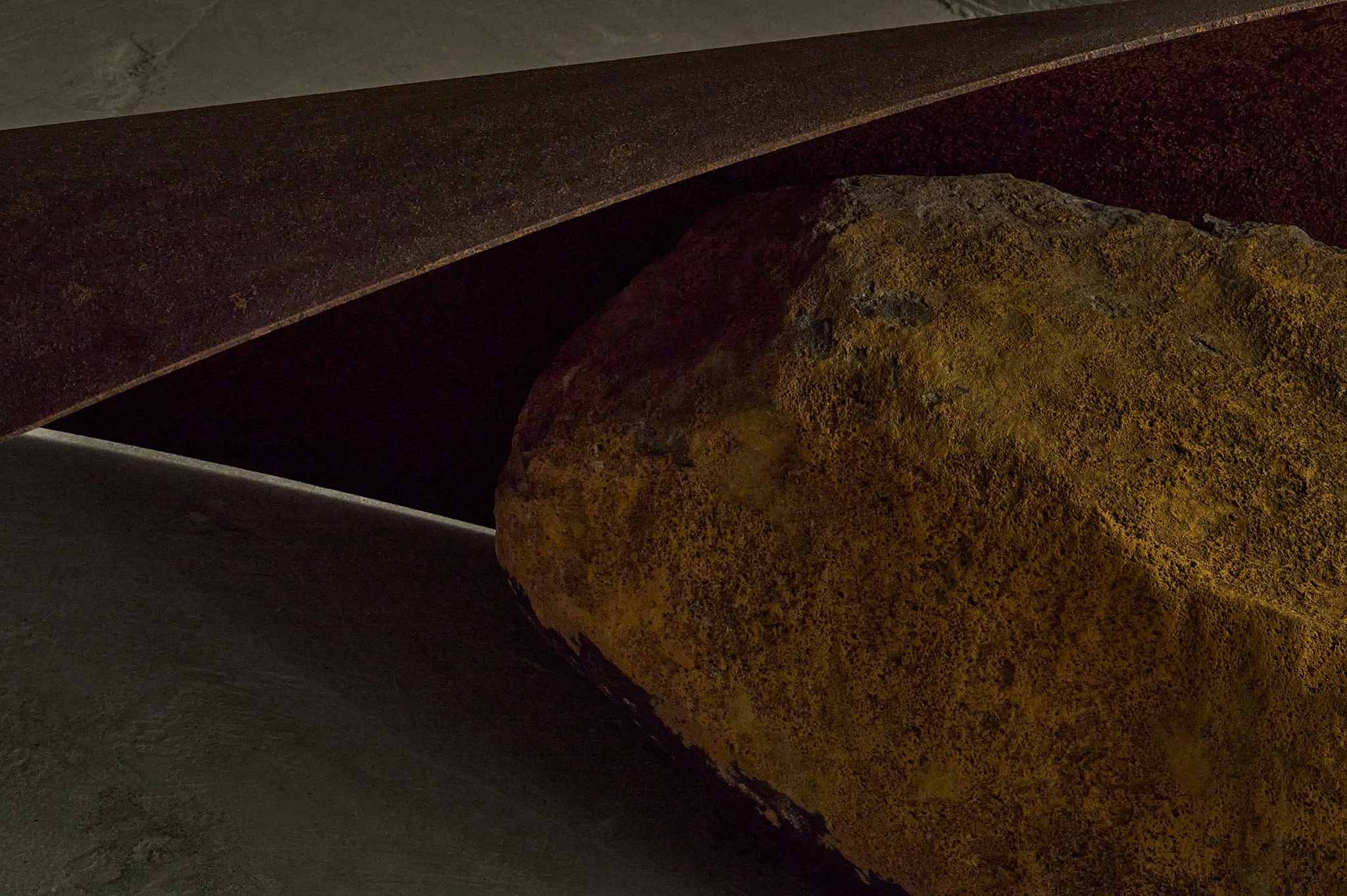
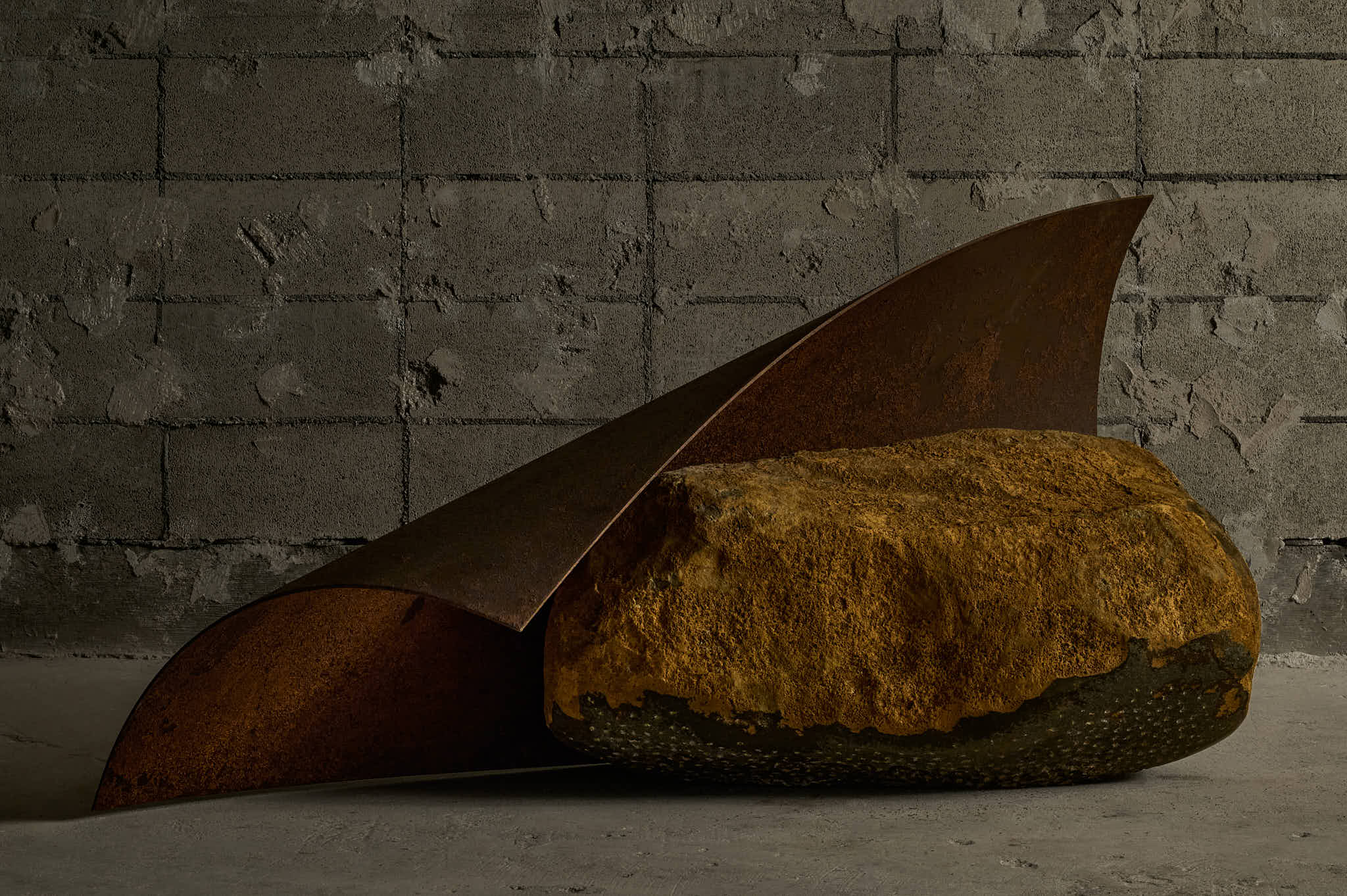
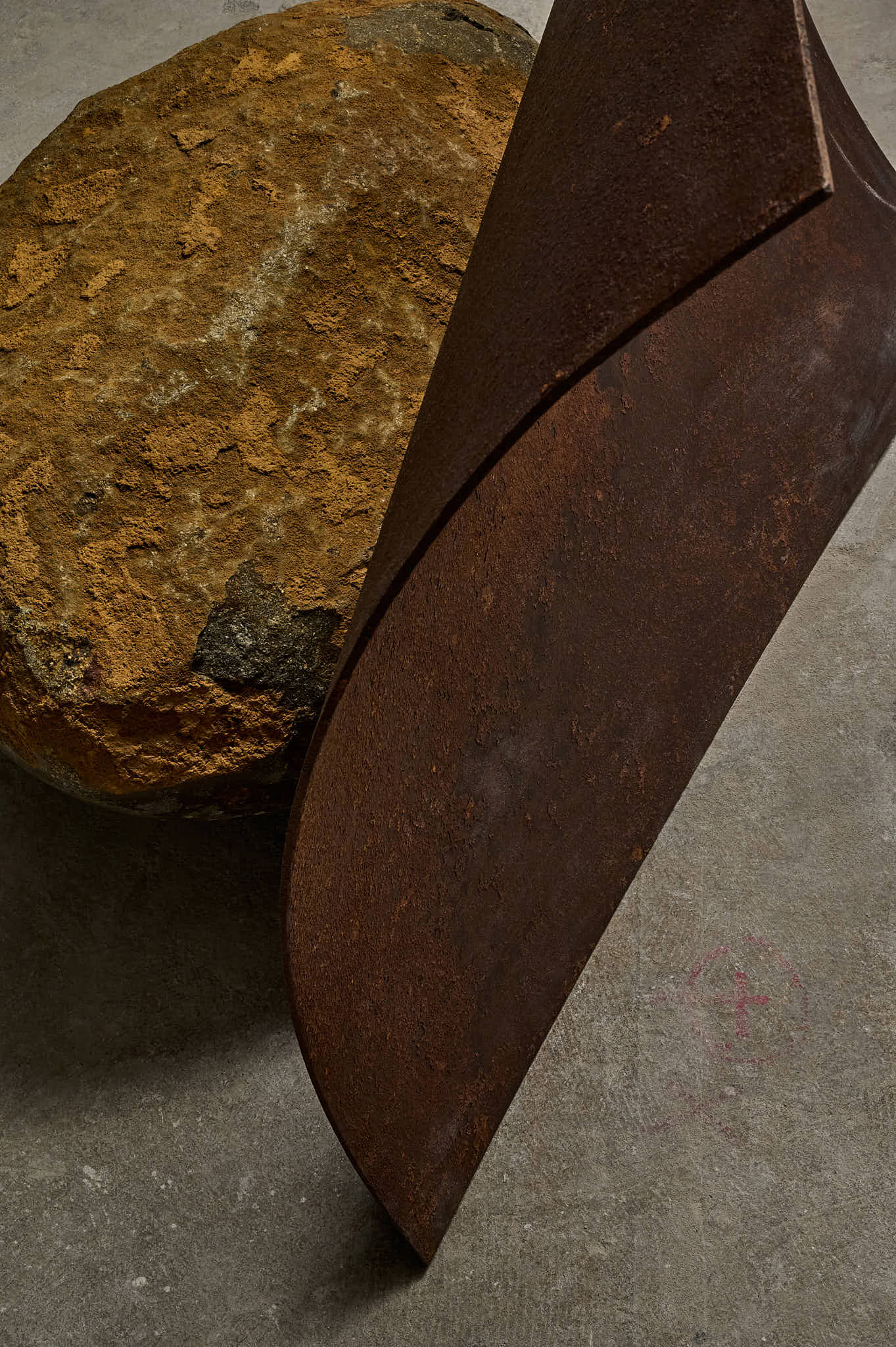
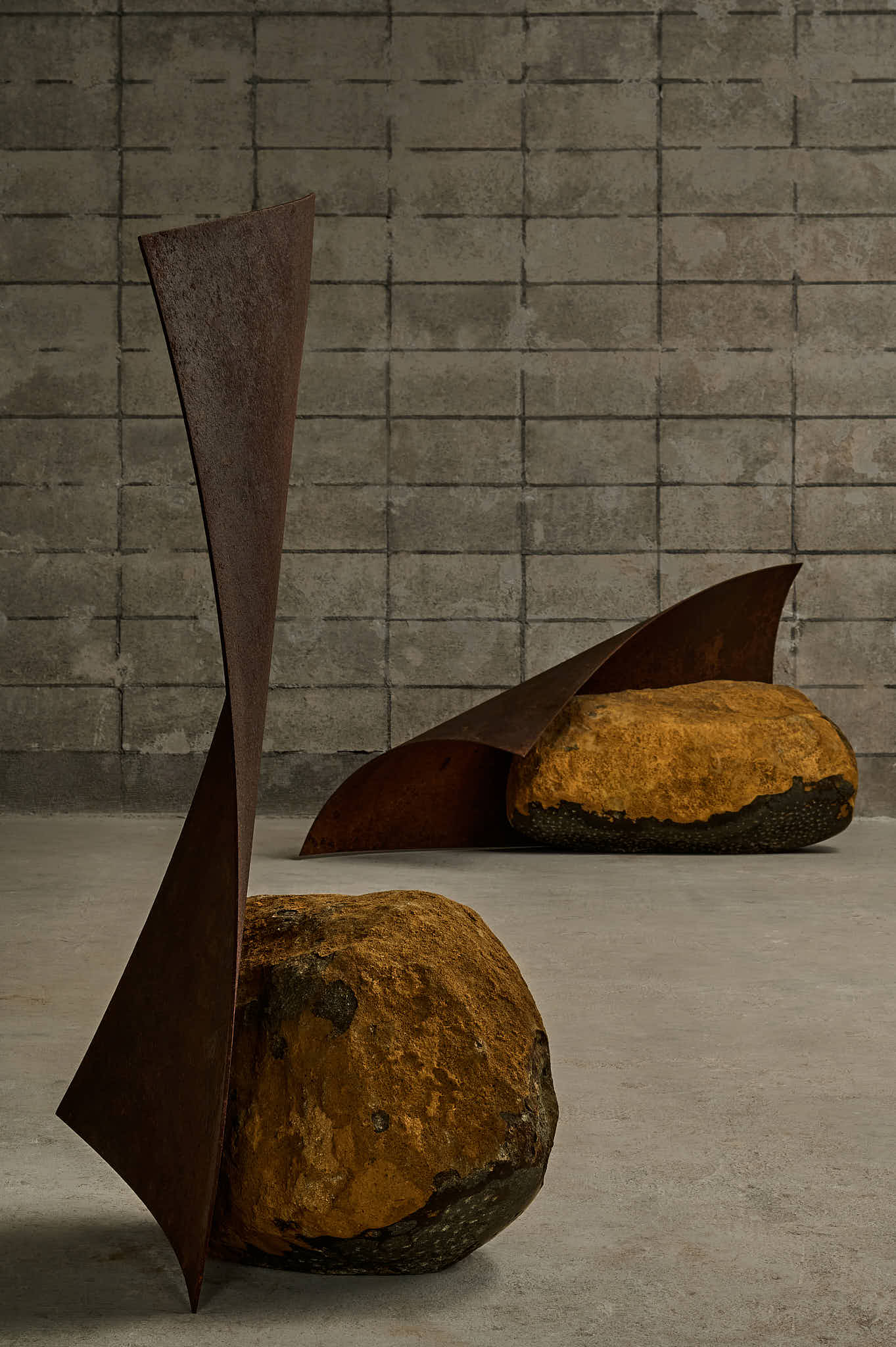
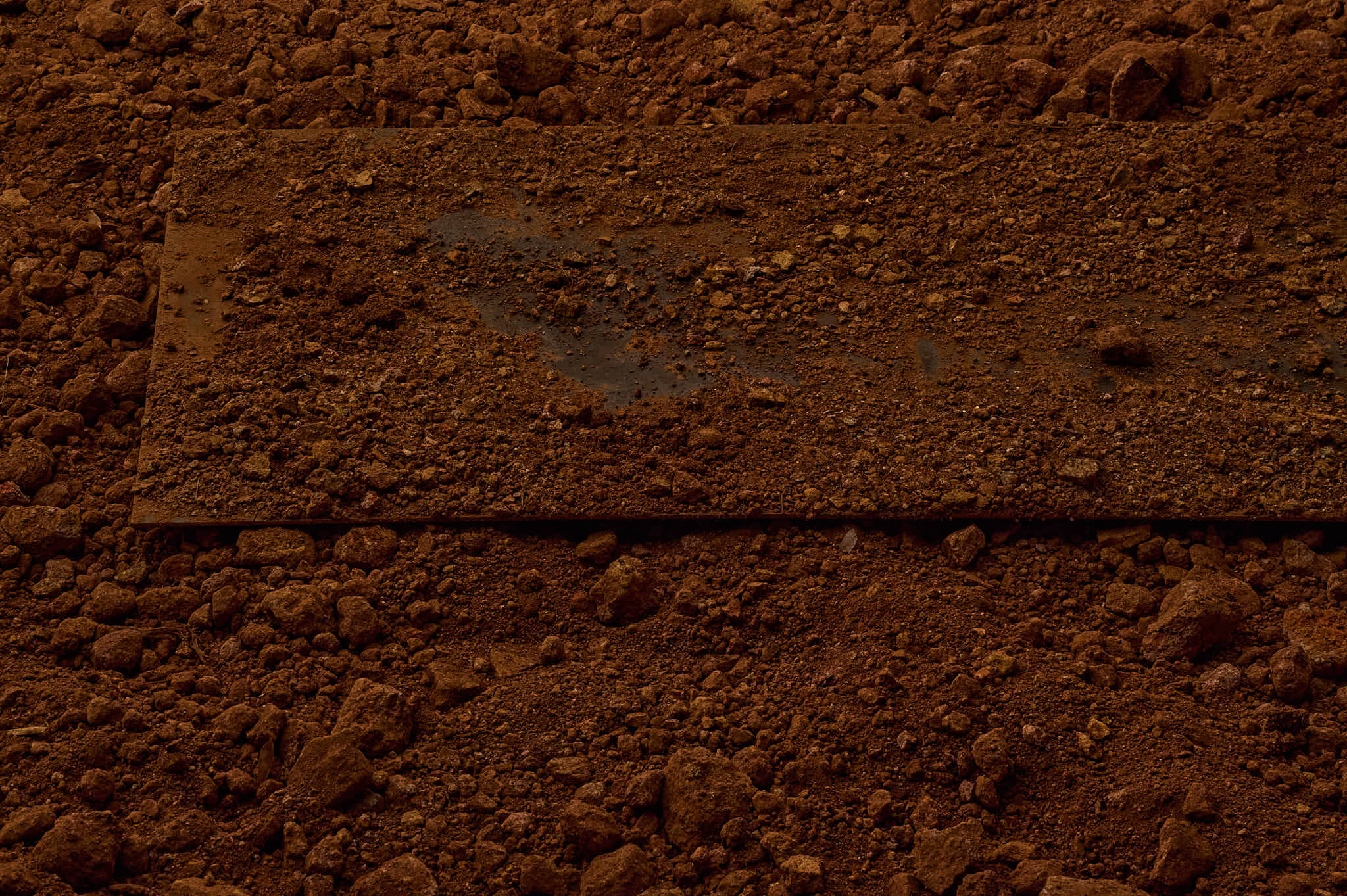
We then decided to incorporate the selected memory of the land into the design. Leaving a solid iron slab in the Okura Sabi causes rust and iron deposits that slowly add texture while infusing it with the memory, like a frottage of the mountain’s memory.
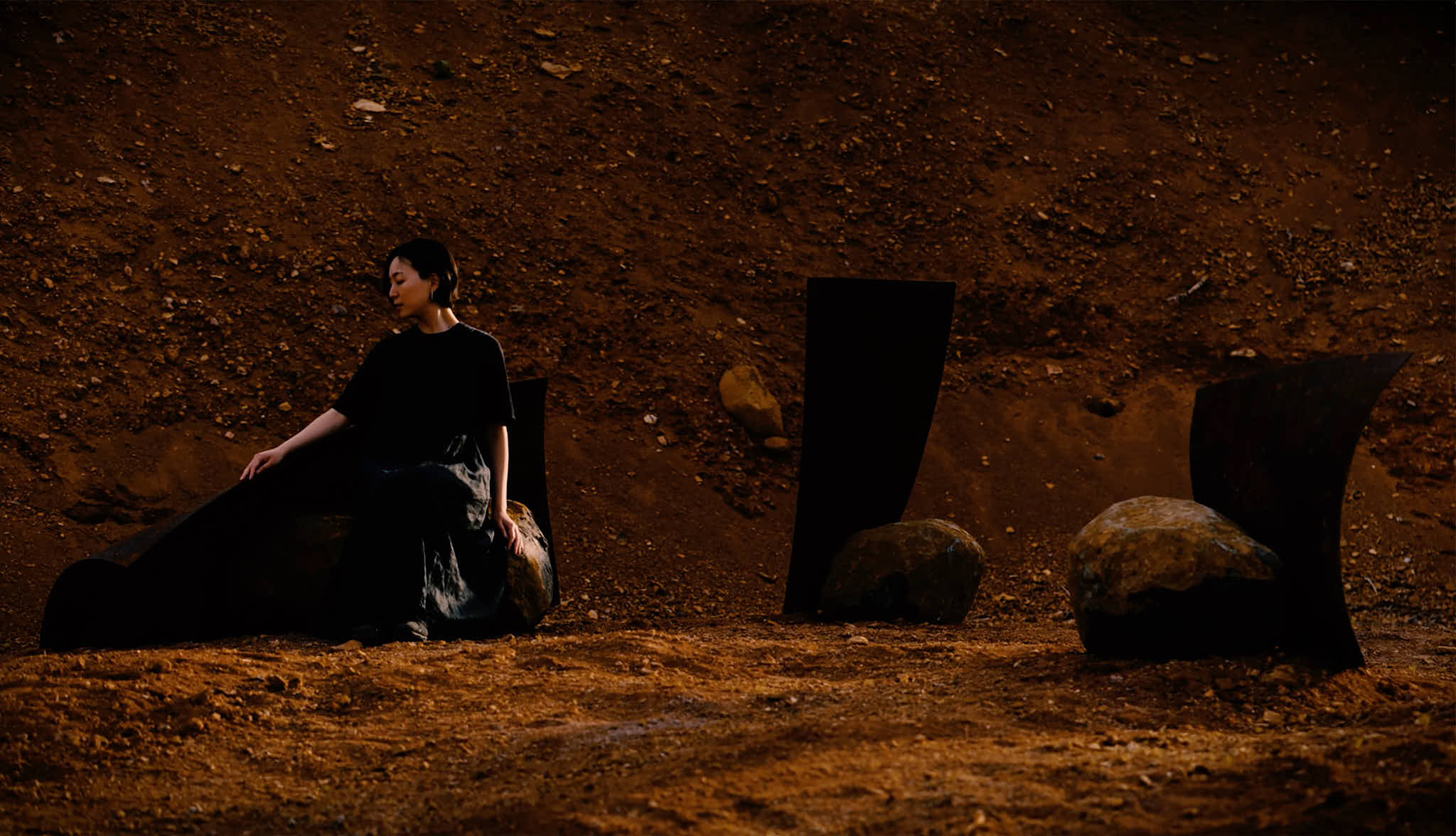
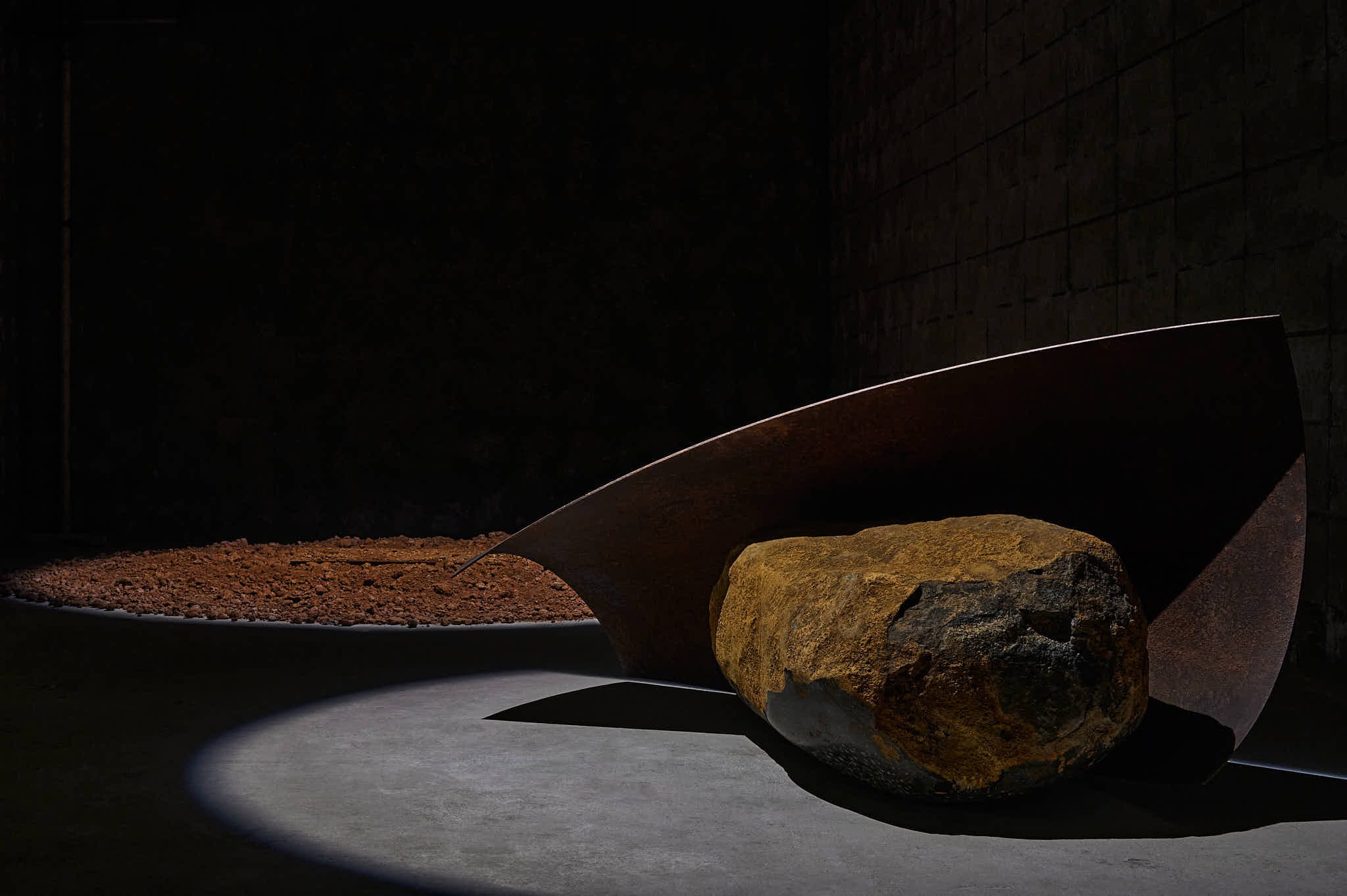
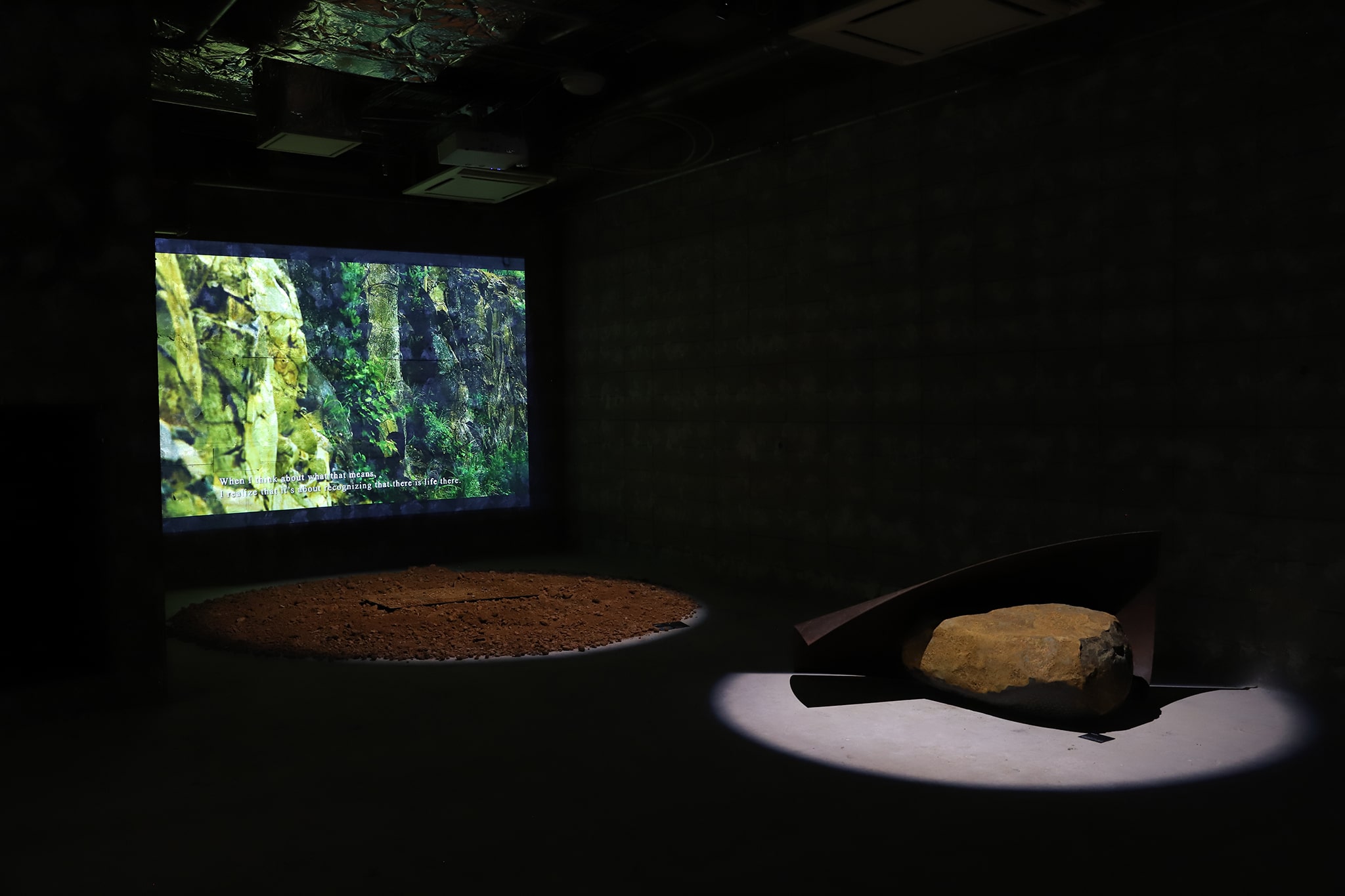
The memory-imbued slab was mounted and reunited with the stone—the origin of Okura Sabi, and a backrest and armrests were added for a seating function. The symphony of the materials is indeed a reunion of Mt. Okurayama memories, a design arising from the interconnectedness of life.
The embodiment of a concept in the form of furniture allows us to physically touch and interact with it, instinctively reminding us of the connection. Unlike conventional furniture design that focuses on function and standardized and industrialized materials, this approach explores the possibilities of furniture design, in which furniture is a special presence that comes into contact with our bodies.
<Exhibition Concept>
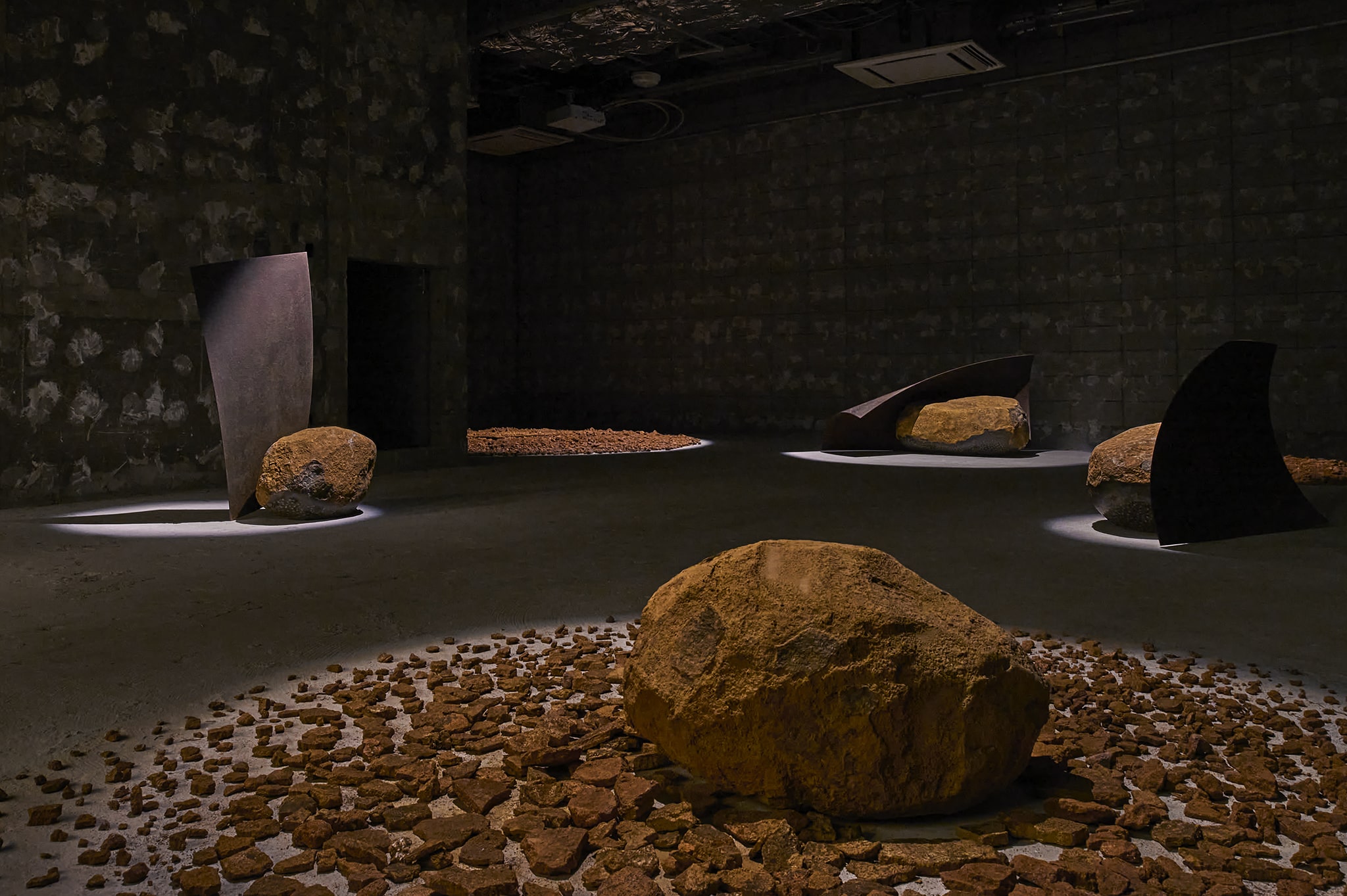
Stone. Weathered fragments of stone.
The relationships between these fragments and plants and animals.
And soil that has become the surface of the mountain.
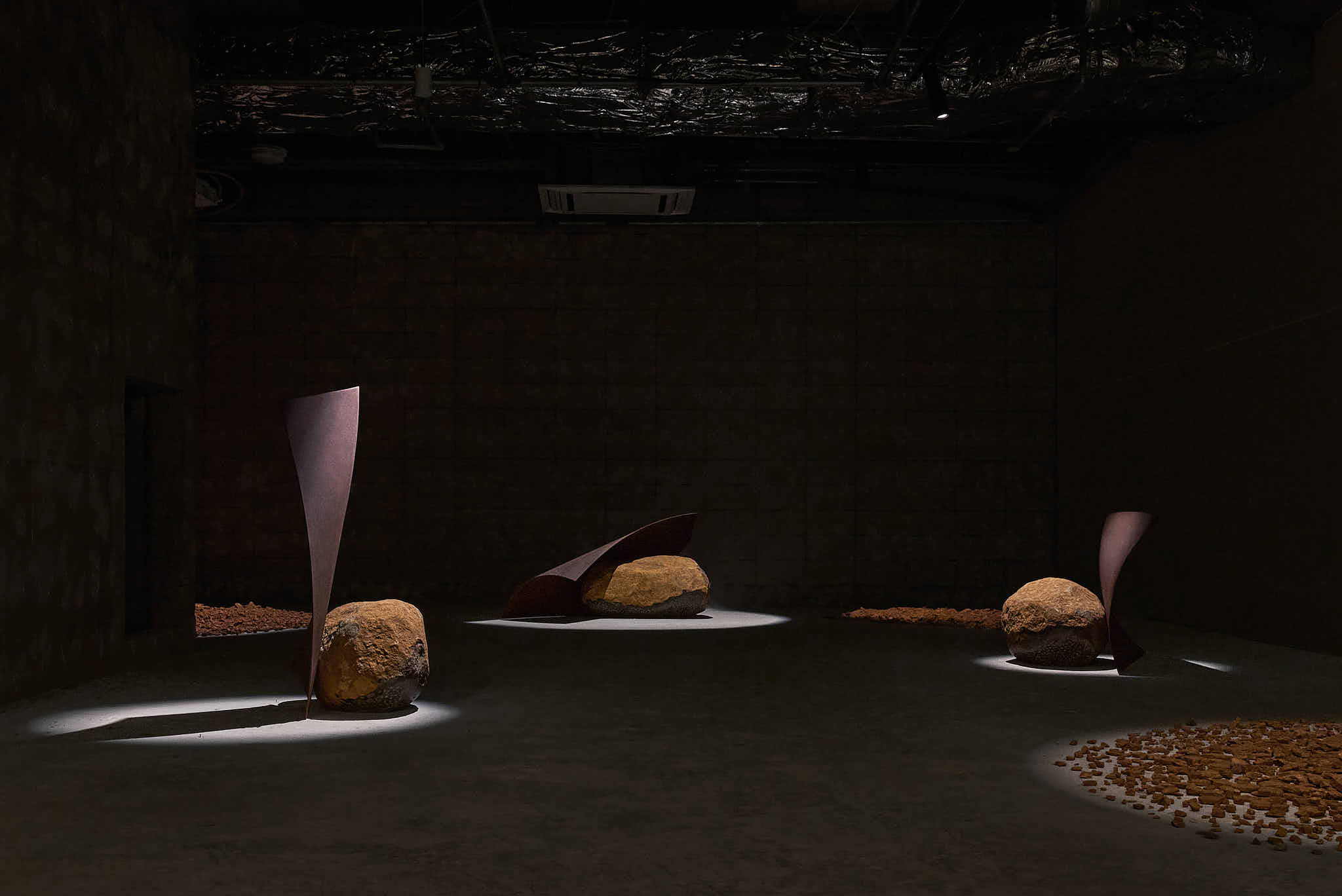
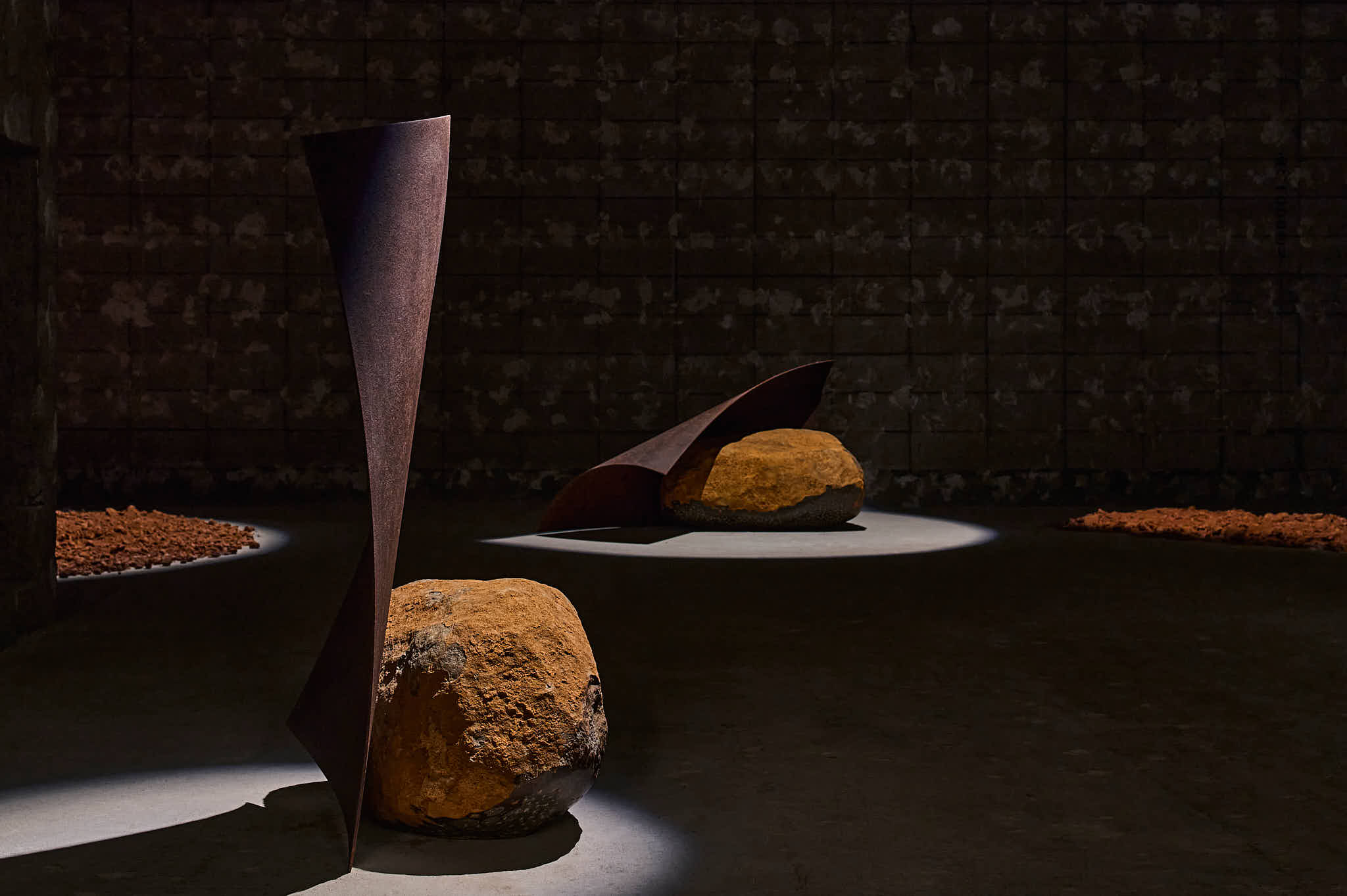
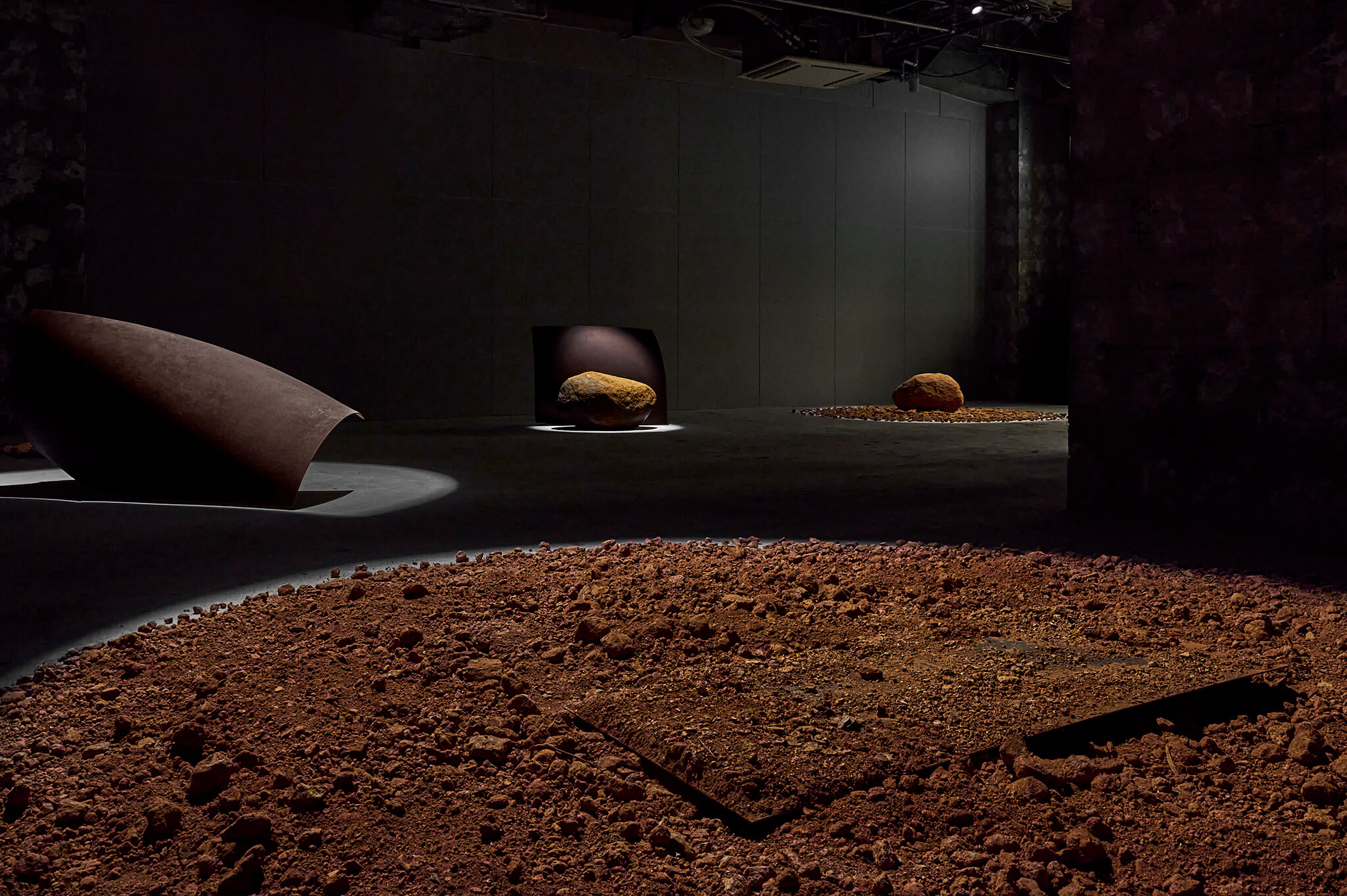
These elements are arranged on the ground. The primary aim is not to introduce the materials themselves. Rather, this exhibition presents the connections between the dynamic materials of the mountain—materials that have interacted, transformed, and coexisted over a long span of time and continue to do so. Each form is interpreted as a memory held by the material.
The three chairs at the center of the exhibition are shaped by bringing together stone and iron plates covered with the rust of stone, as if the memories of the mountain were reuniting. This exhibition explores an approach to design that does not begin with materials as processed resources, but instead emerges from the natural connections that exist between them.